
Restoring a Century-Old G.M. Bundy Clarinet: A Journey Through Time
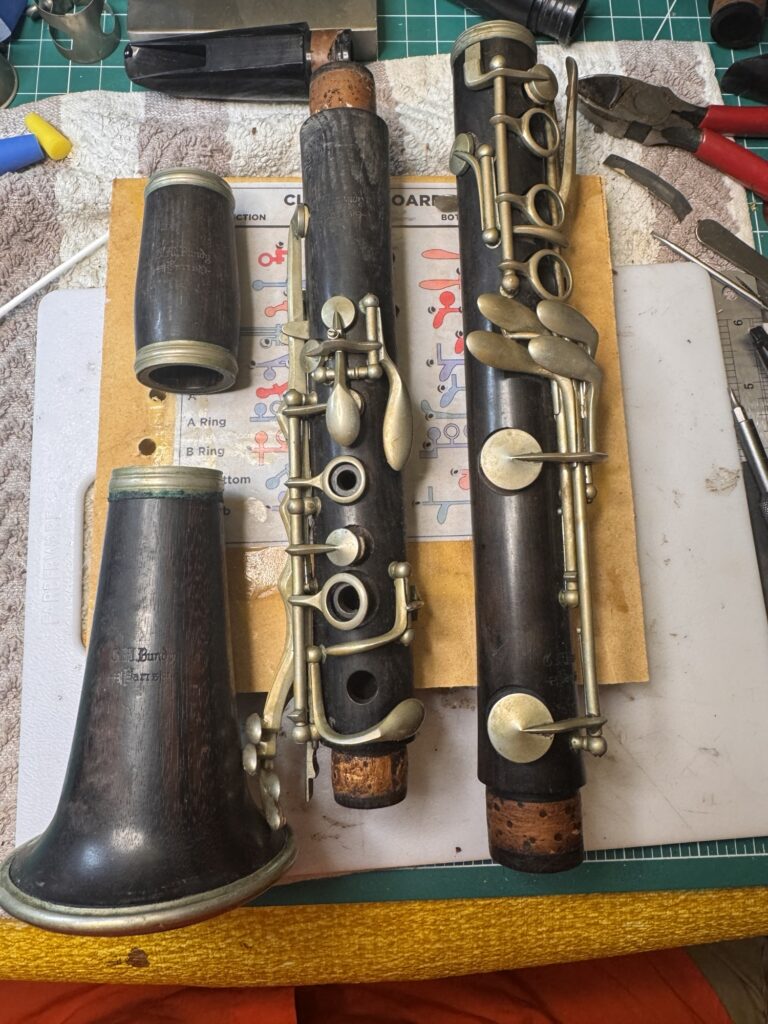
There is something quietly magical about placing a nearly 100‑year‑old G.M. Bundy clarinet on the bench and realizing that you’re not just doing a repair—you’re stepping into a conversation with history. This particular instrument, made in France, carries with it the touch of the craftsperson who built it, the breath of every player who ever coaxed a note from it, and the long arc of time that somehow delivered it into your hands.
A tour through history, one instrument at a time
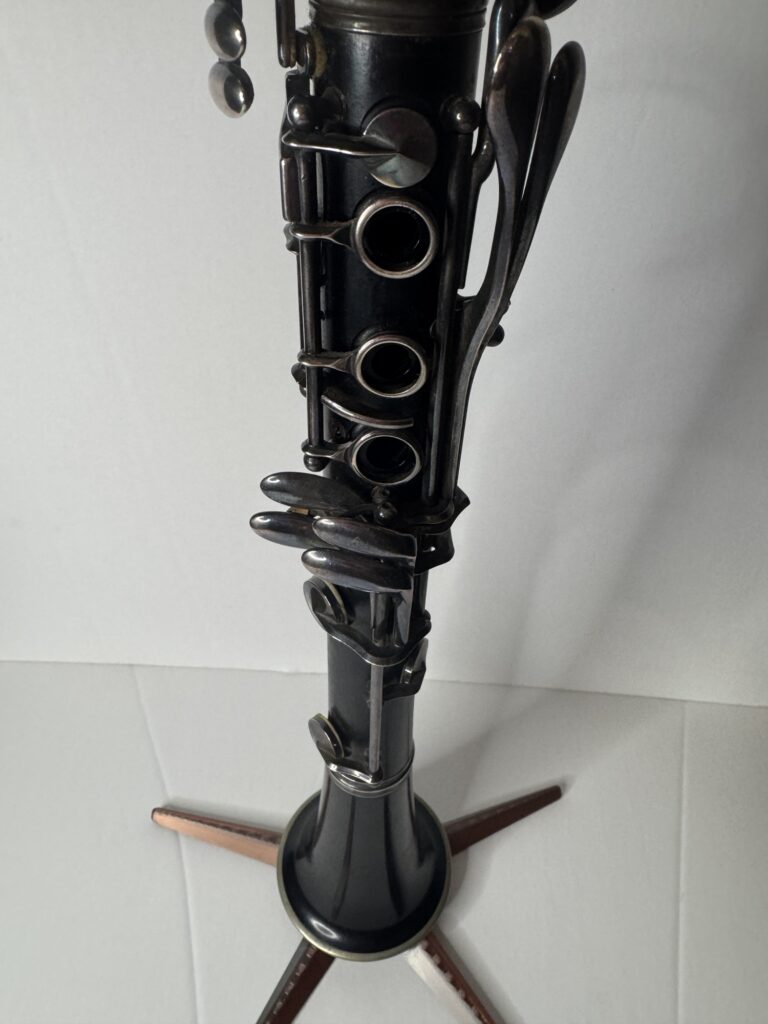
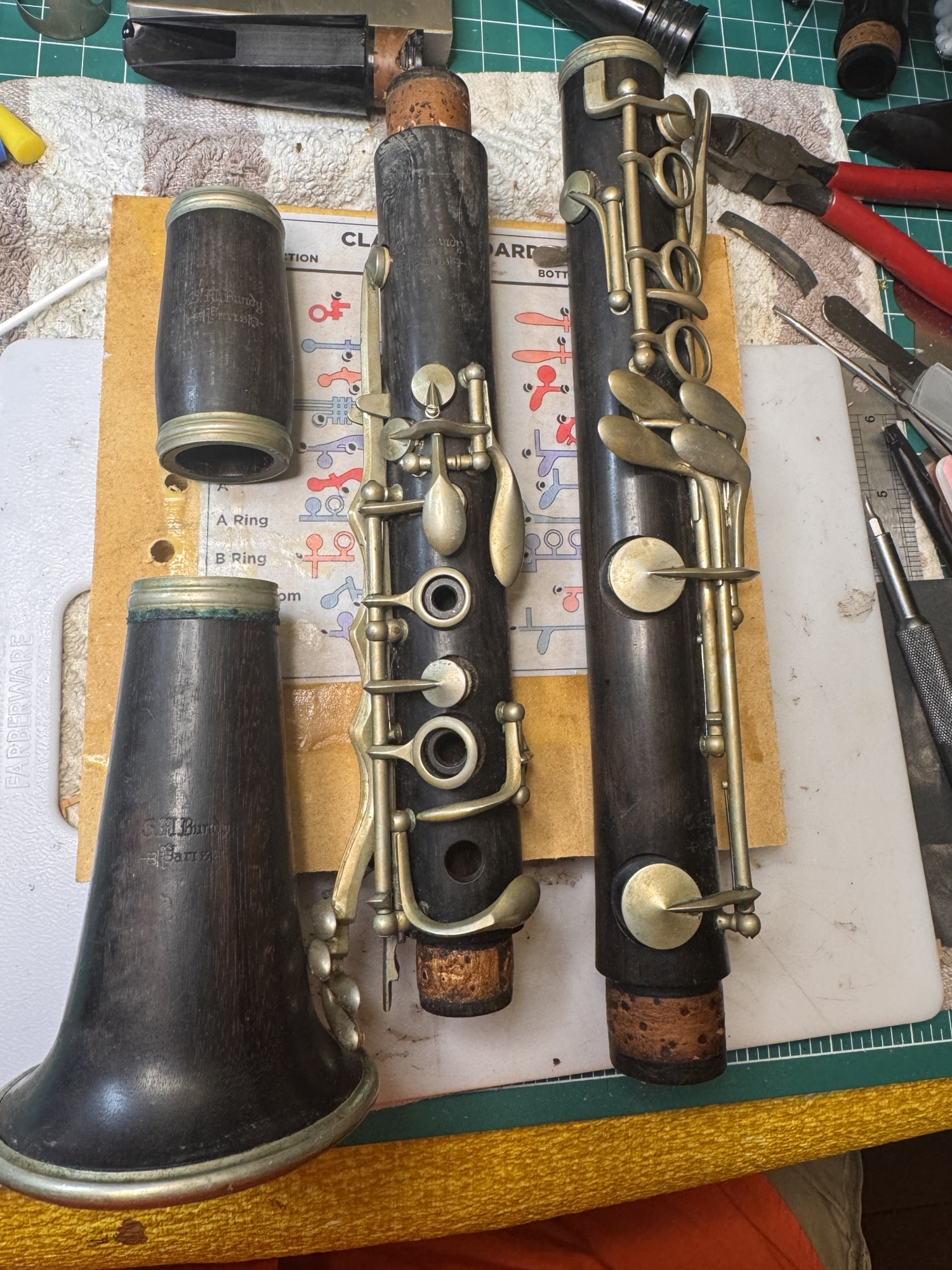
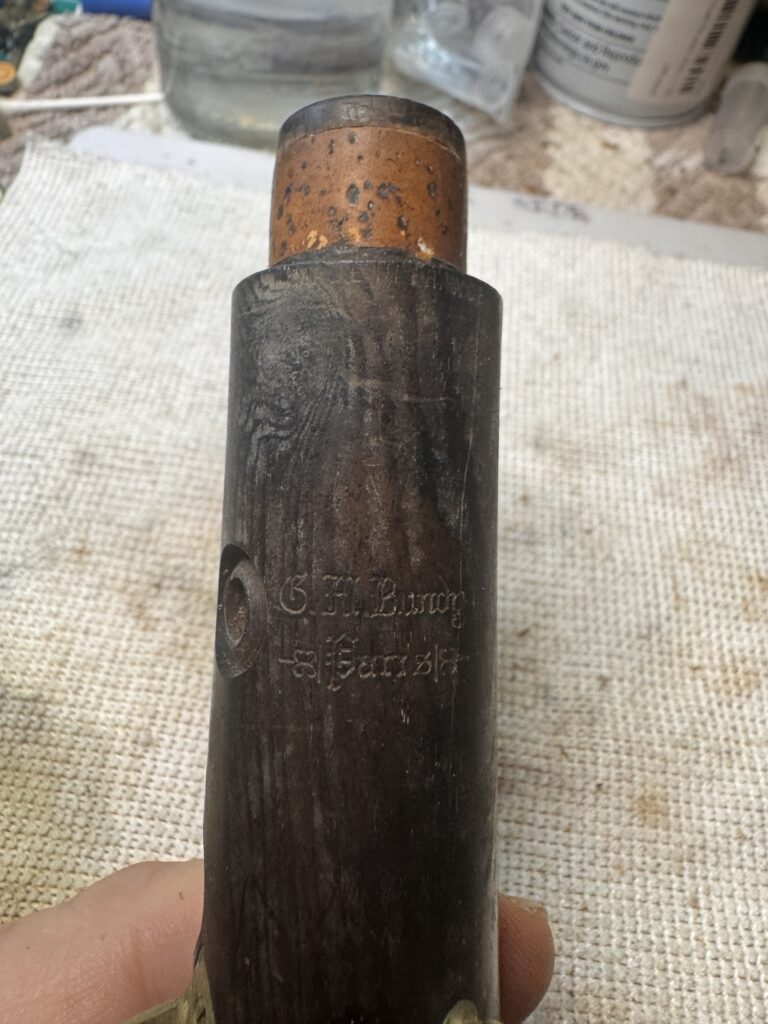
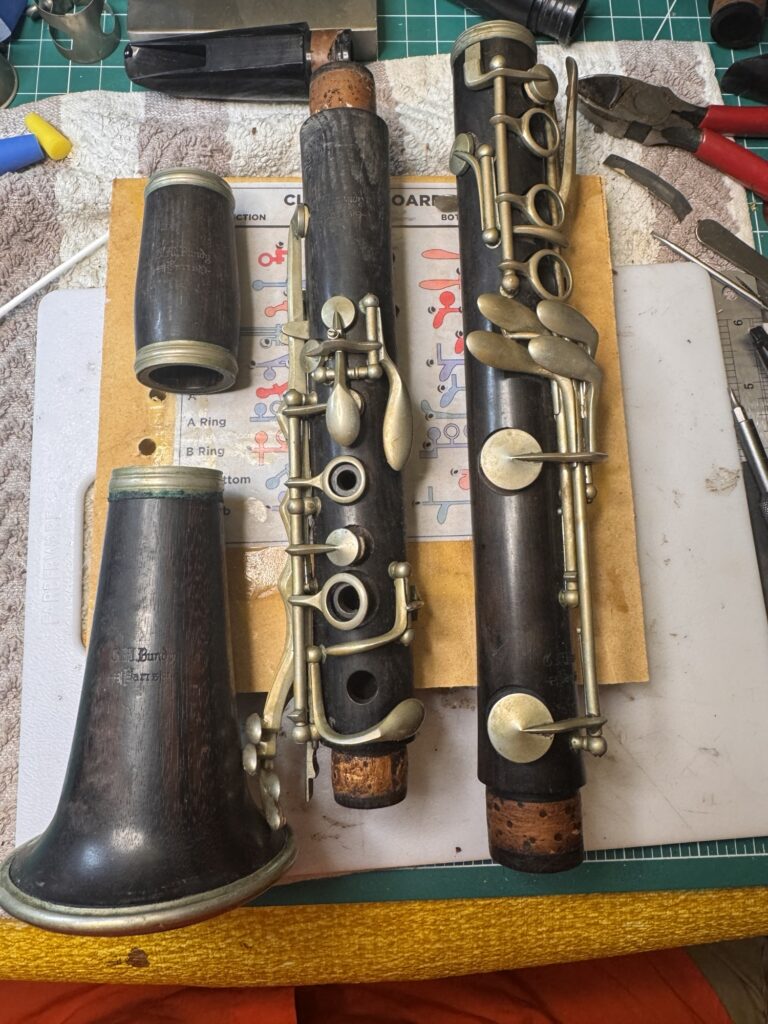
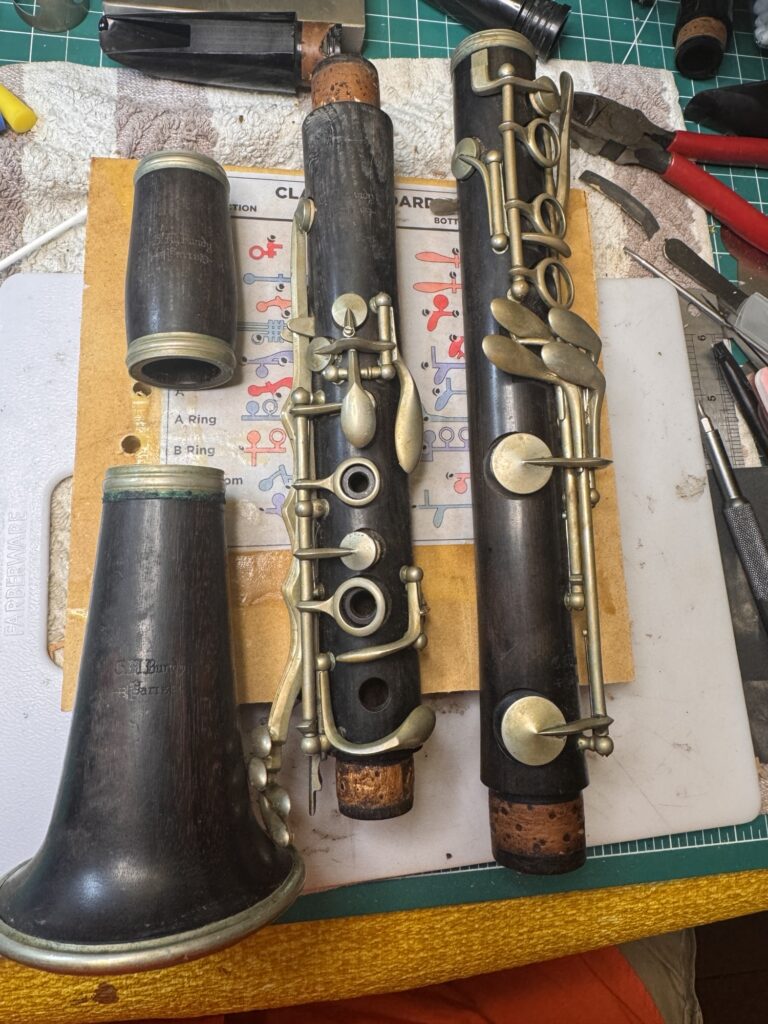
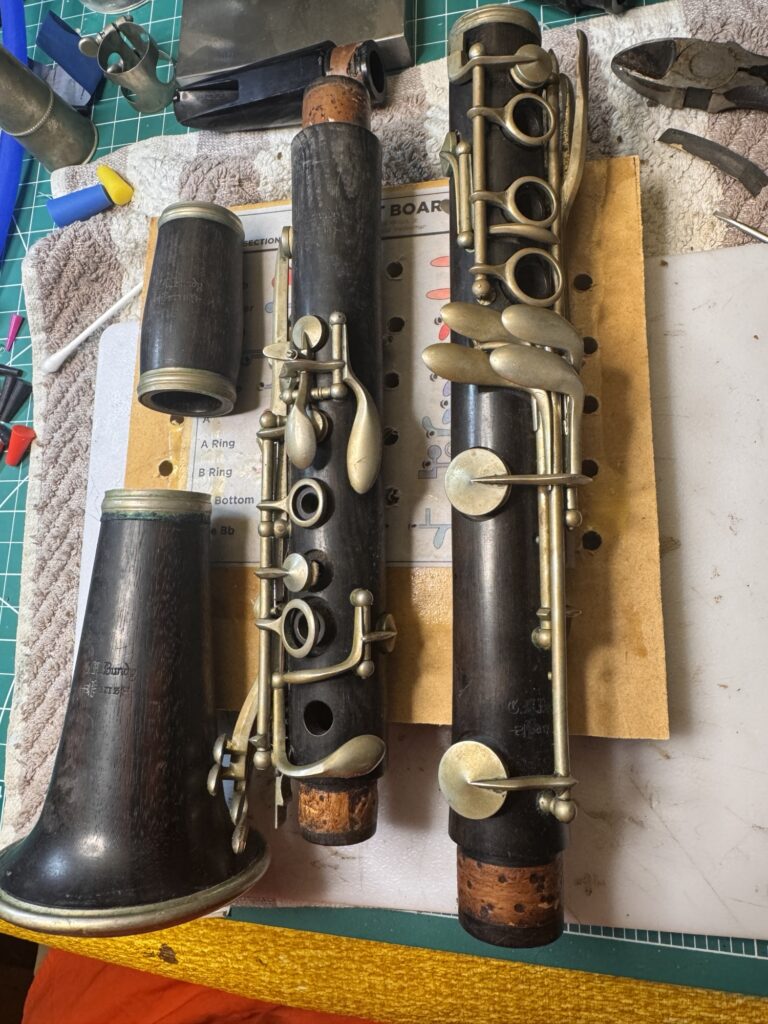
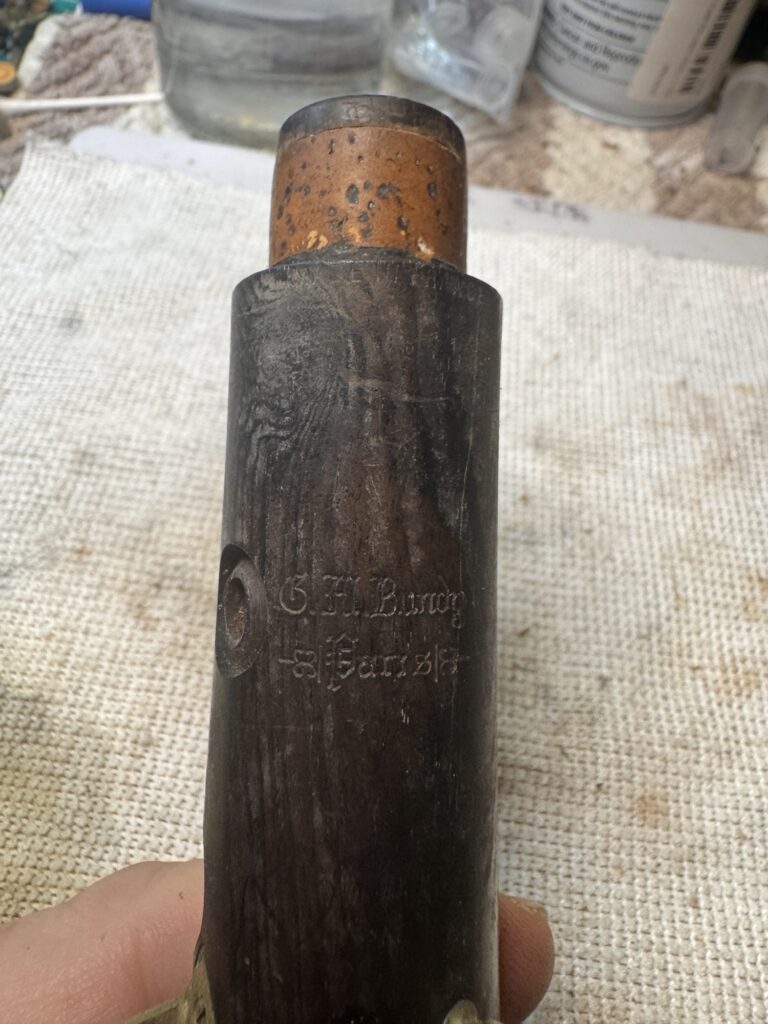
Working on a vintage clarinet like this G.M. Bundy feels like taking a guided tour through a very specific chapter of musical history. Every detail tells a story: the engraving on the bell, the design of the keywork, the way the rings and posts are arranged, the style of the trill keys, even the taper of the bore.
This instrument left a French workshop at a time when craftsmanship was still intensely personal. You can sense it in the way the wood was selected and turned, in the tiny nuances of hand‑fitting that no machine quite replicates. When you restore it, you’re not just fixing an object—you’re decoding decisions made by a maker who lived a century ago and cared deeply about how this clarinet would sound and feel.
The beauty of French craftsmanship
The first thing that strikes you is the wood. Vintage French instruments often used dense, resonant grenadilla that has spent decades aging, drying, and settling into itself. The grain has a depth and character that you don’t always see in modern production runs. After years of use and neglect, a good cleaning and light oiling doesn’t just make it look better; it wakes the wood back up.
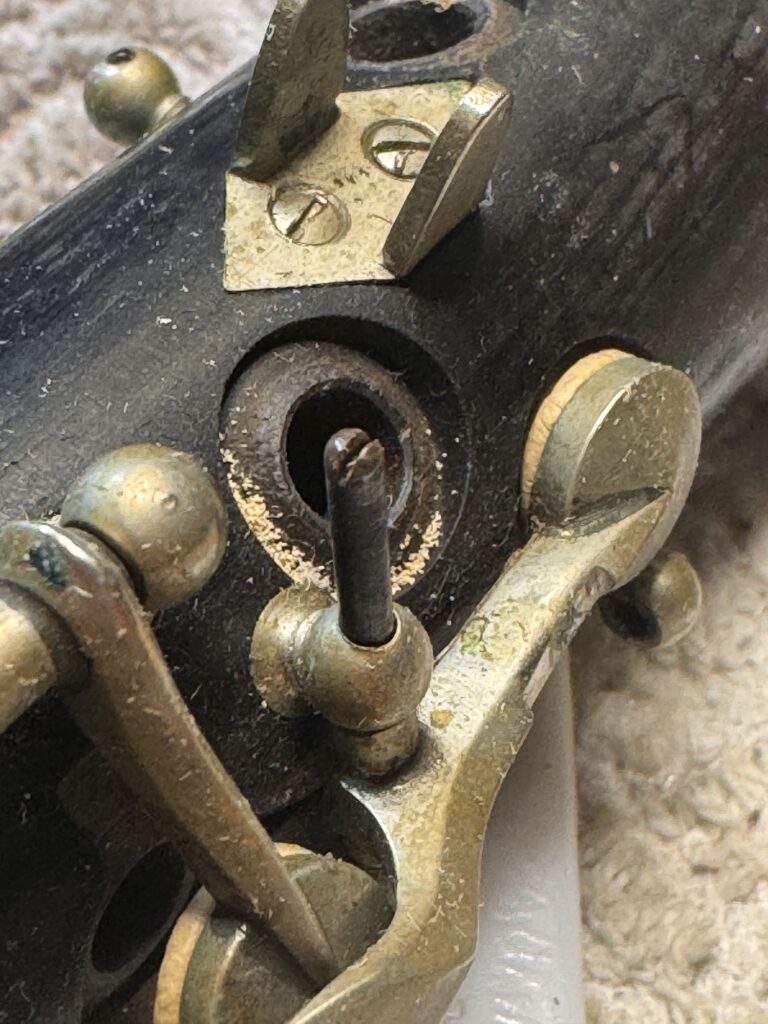
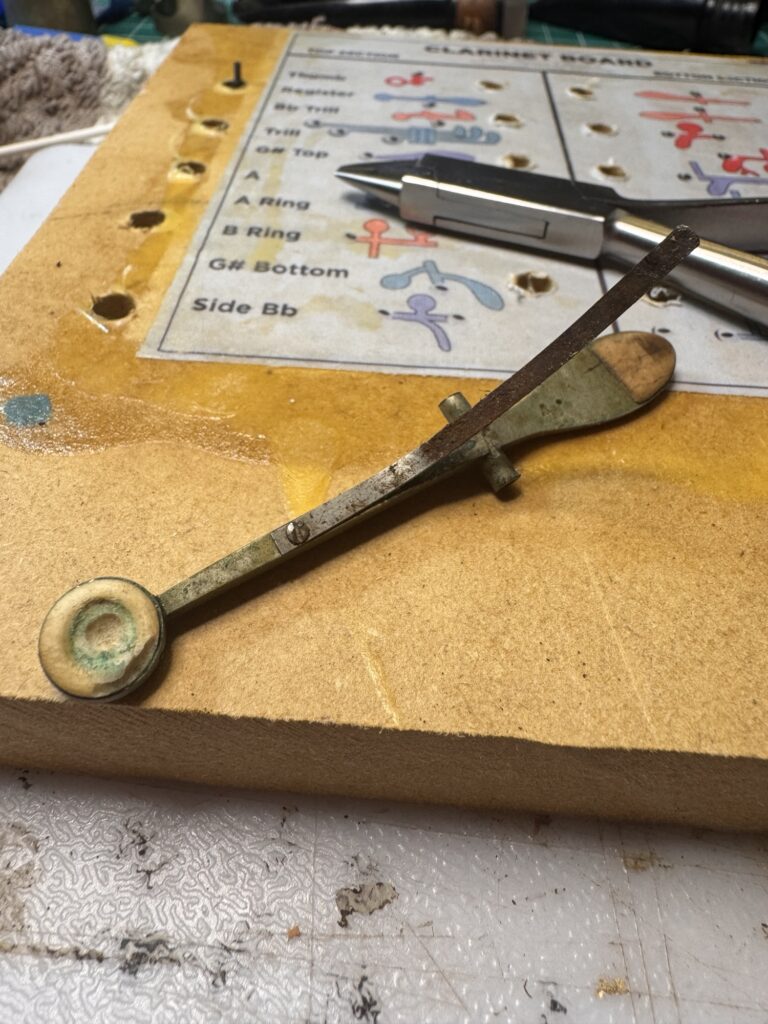
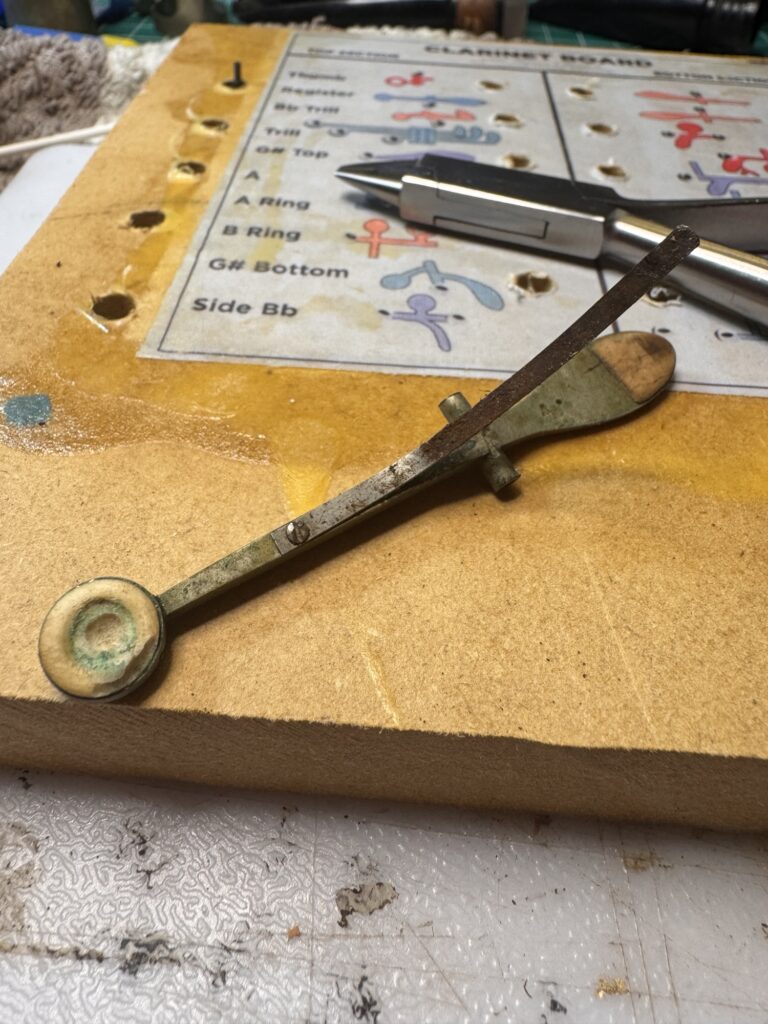
Then there’s the keywork. The touchpieces have shapes and angles that you don’t see on newer student horns—little flourishes that blend utility with elegance. The keys often feel more substantial under the fingers, with a solidity that reflects both the metal quality and the hand‑finishing they received. When you polish them, burnish out small scratches, free up frozen rods, and re-fit the mechanism, you’re returning precision to a system that was originally built to be both durable and expressive.
Pads, shellac, and the language of materials
Even the pads and shellac tell their own quiet story. On an old instrument like this, you might find a mix of pad types: older felt or leather, possibly early resonator styles, or signs of previous technicians’ choices over the decades. Each layer of work left behind is like a note in a ledger—someone tried to keep this clarinet playing, year after year.
Choosing how to repad a horn like this becomes part restoration, part interpretation. You weigh period‑appropriate materials against the expectations of modern players. Do you aim for as close to original as possible in pad type and thickness? Do you choose shellac to mirror the traditional methods, taking the time to float each pad carefully until the seal is perfect? That process, with heat, patience, and a discerning eye, is deeply satisfying. It’s where old-world craft and modern technique meet.
Thinking about the original maker
There are quiet moments in the middle of a restoration where your hands are busy but your mind drifts. You find yourself thinking about the person who turned the wood blank on a lathe, who fit the tenons, who leveled the tone holes, who test‑played this clarinet for the first time.
That maker could never have imagined that, roughly a century later, someone would be carefully disassembling their work, respecting every line and curve, trying to bring it back as close as possible to the way it left the factory—or perhaps even better, thanks to modern precision and understanding. It’s humbling to realize you’re part of that instrument’s timeline, not its owner so much as its caretaker for this chapter of its life.
From worn and tired to singing again
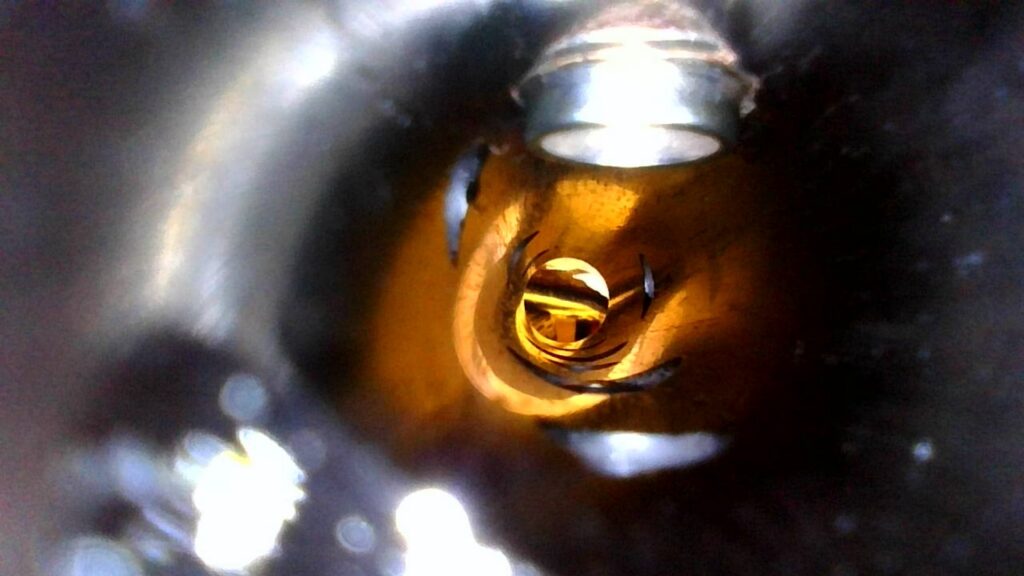
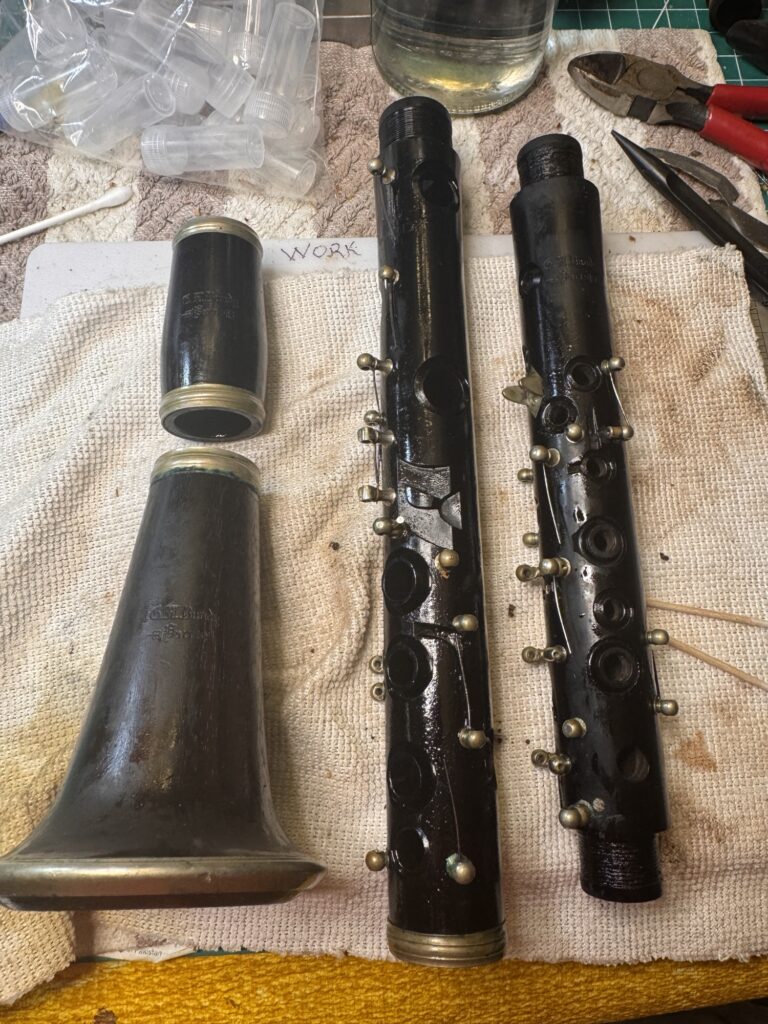
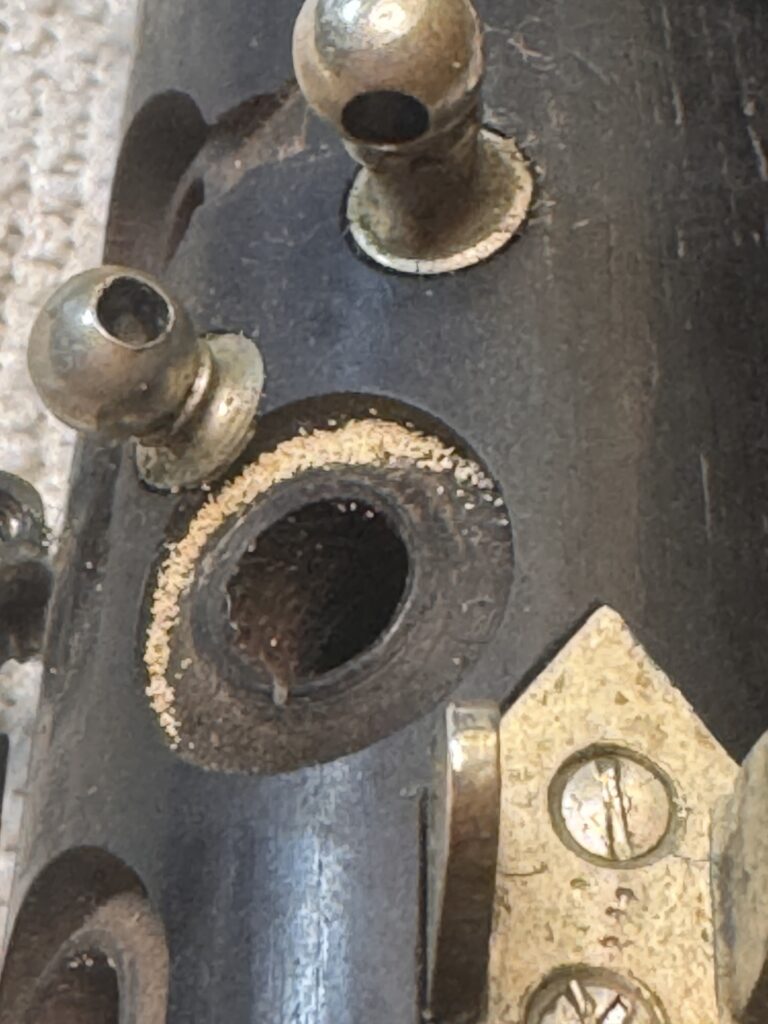
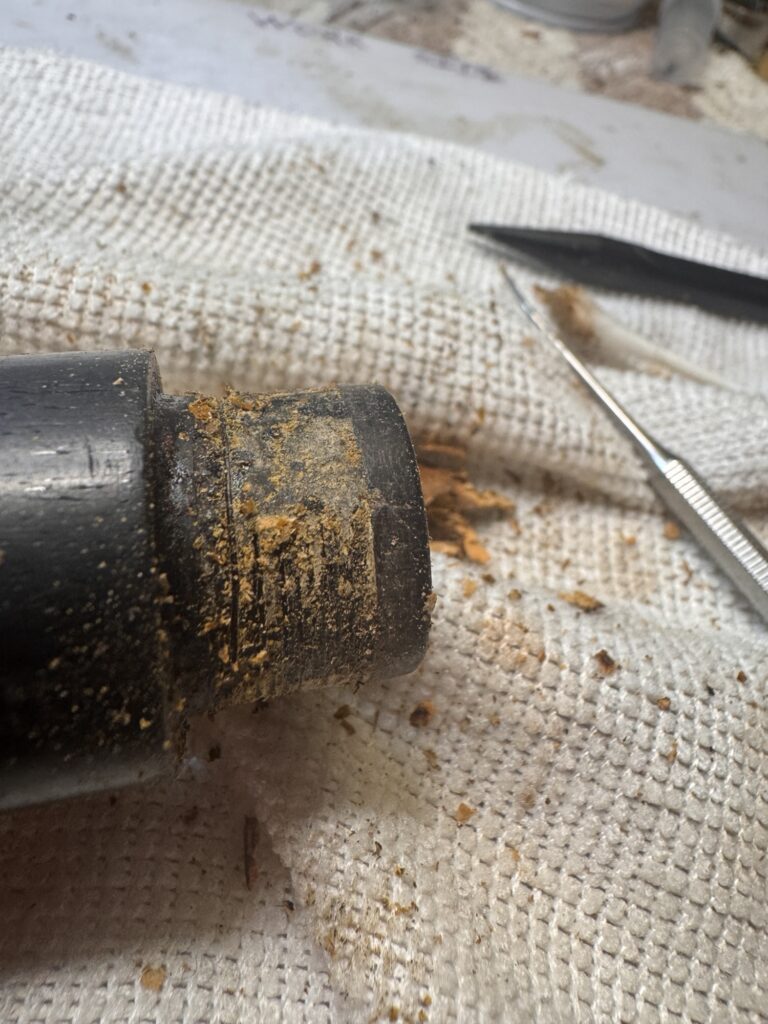
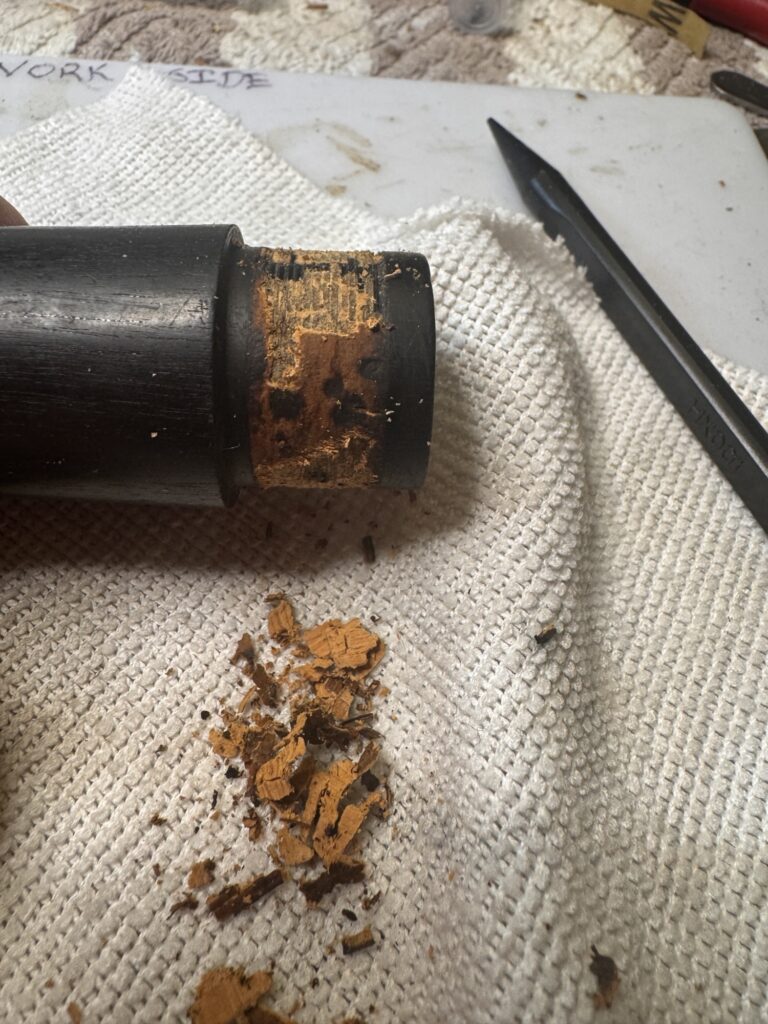
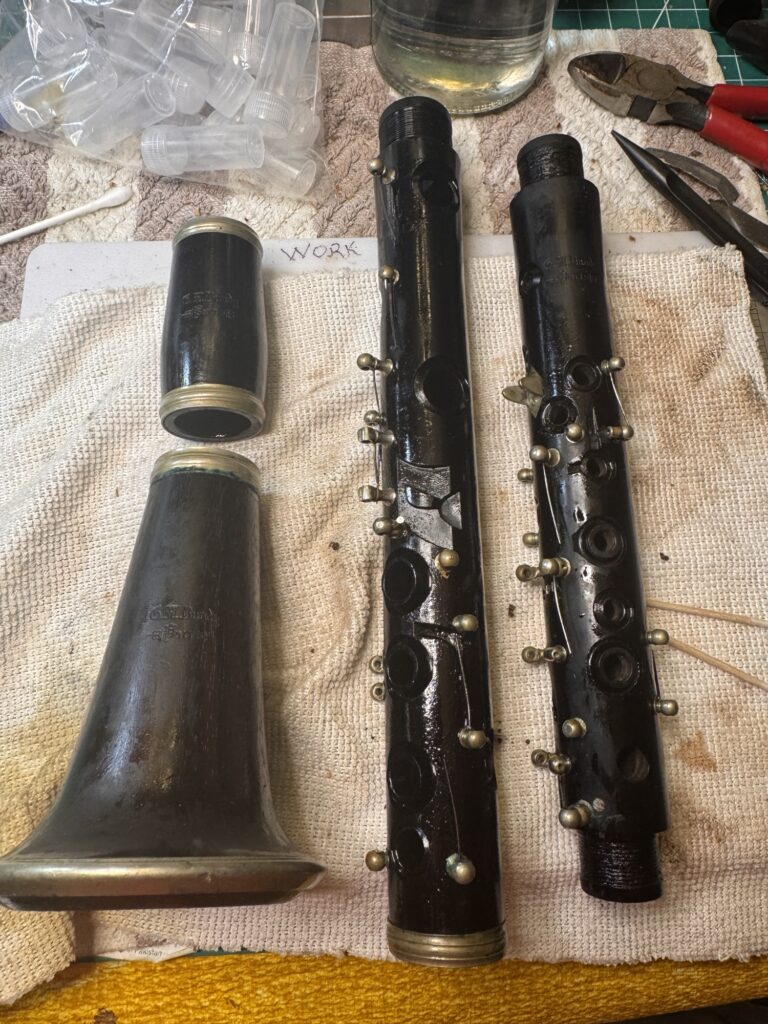
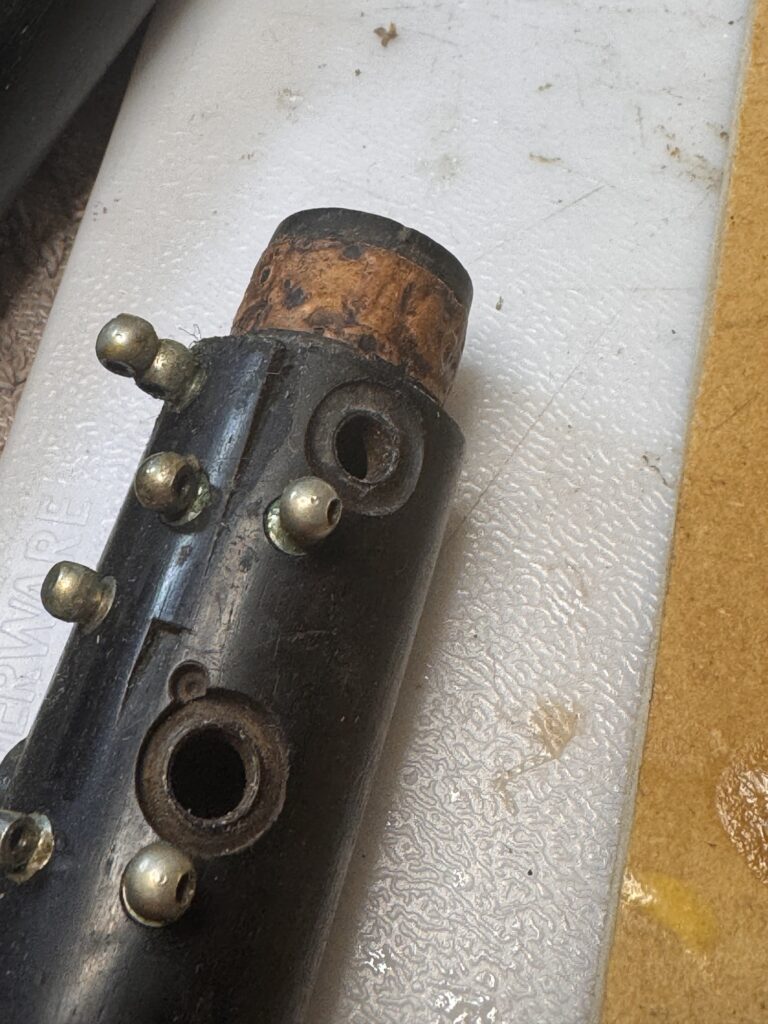
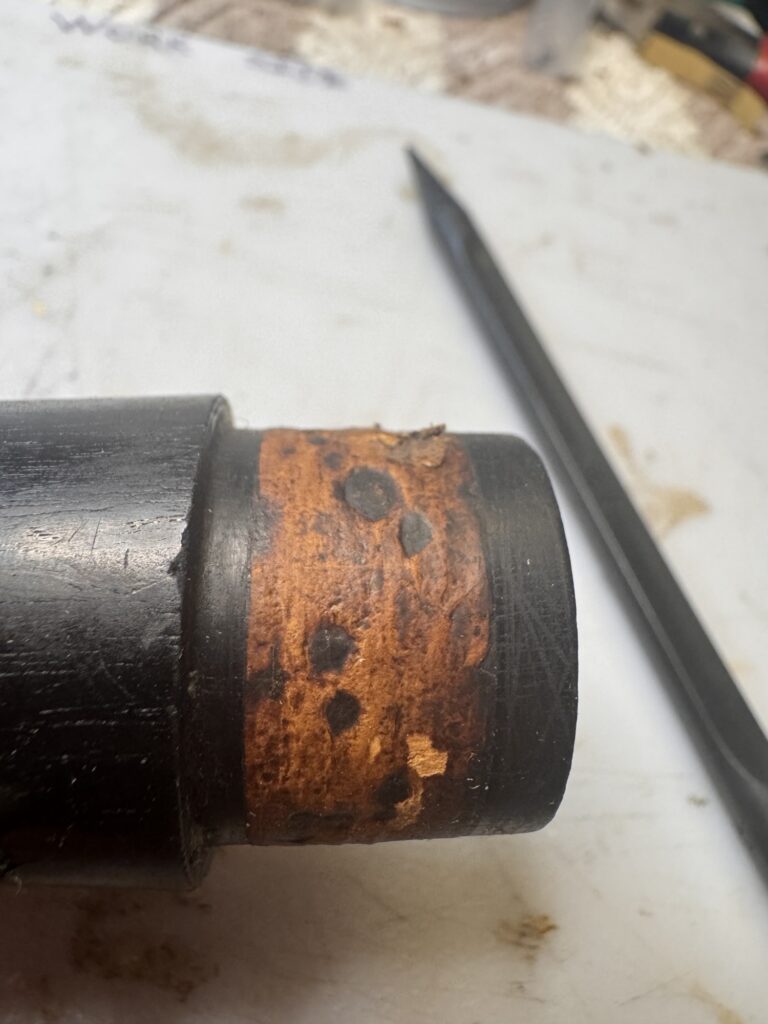
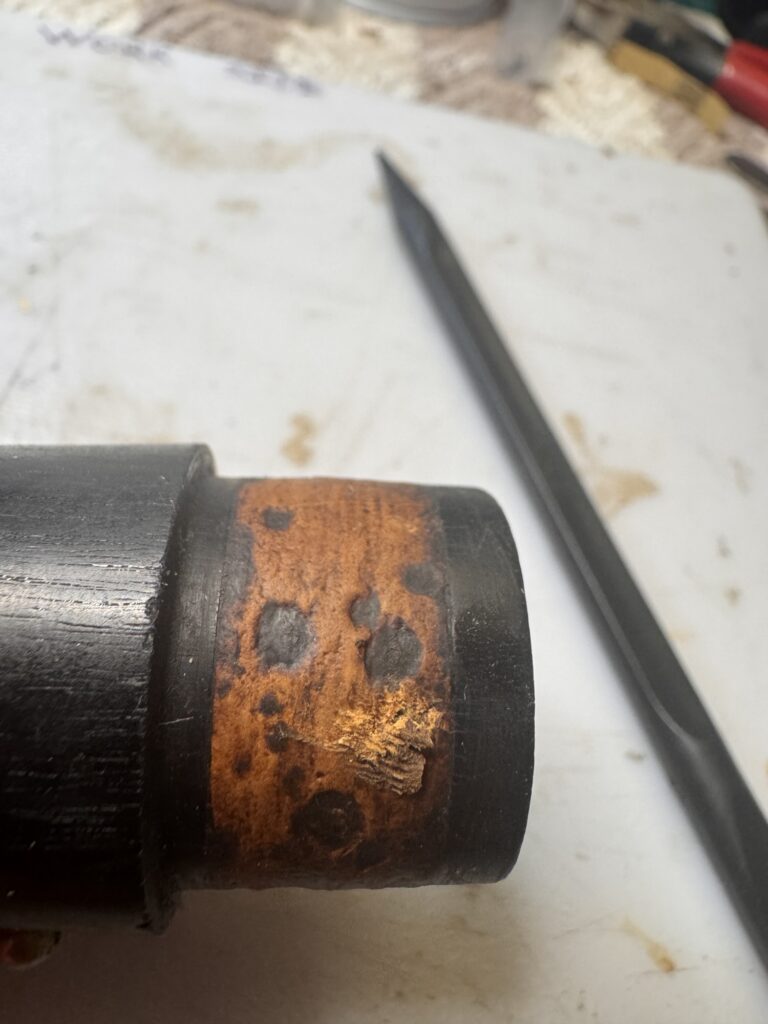
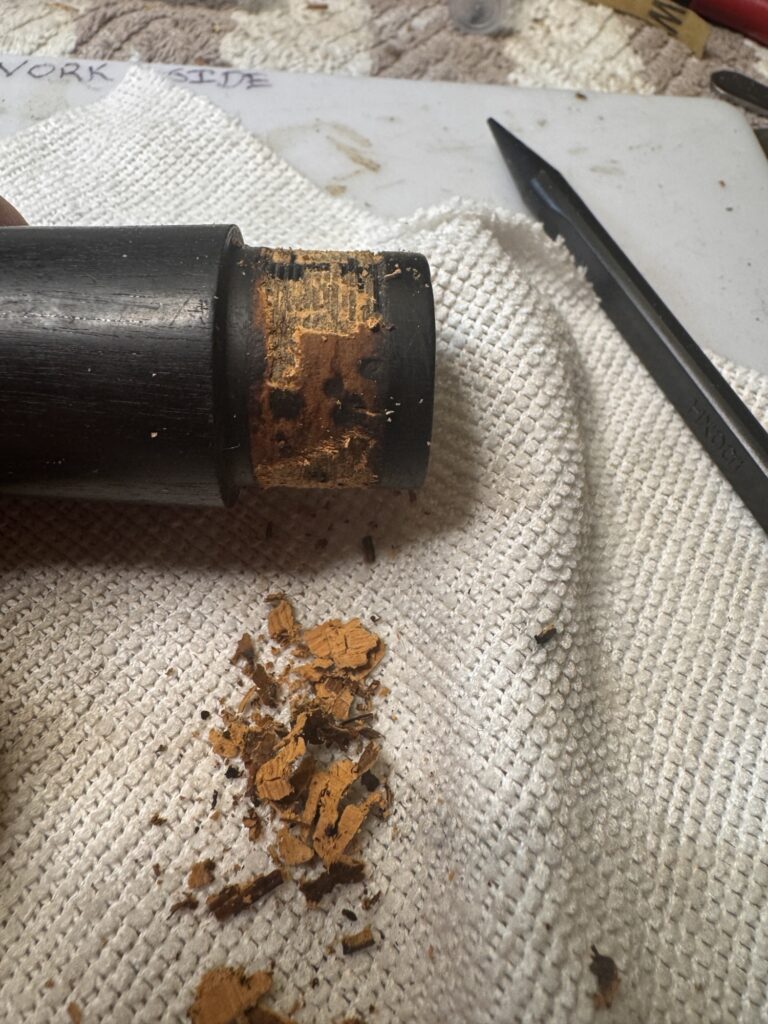
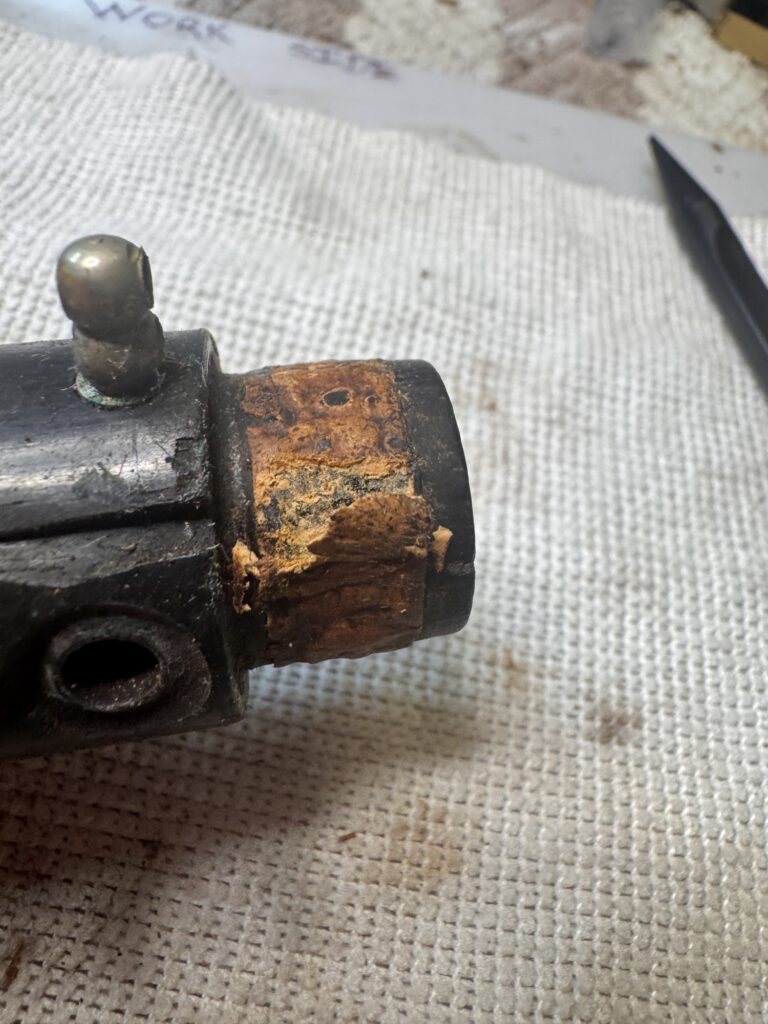
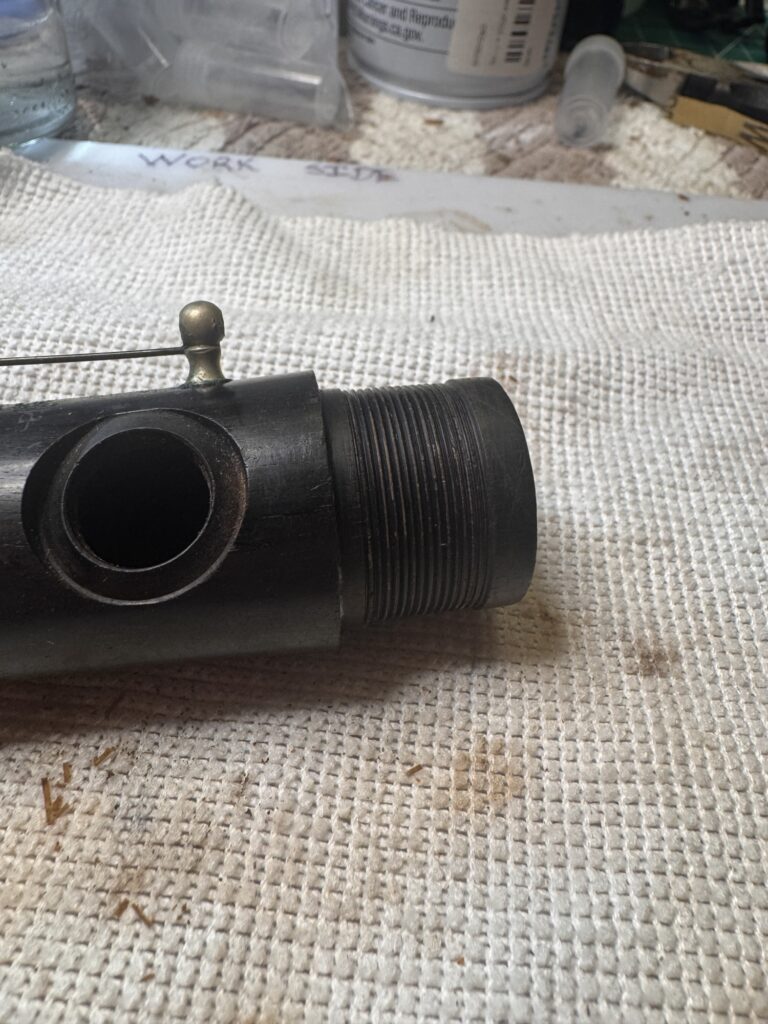
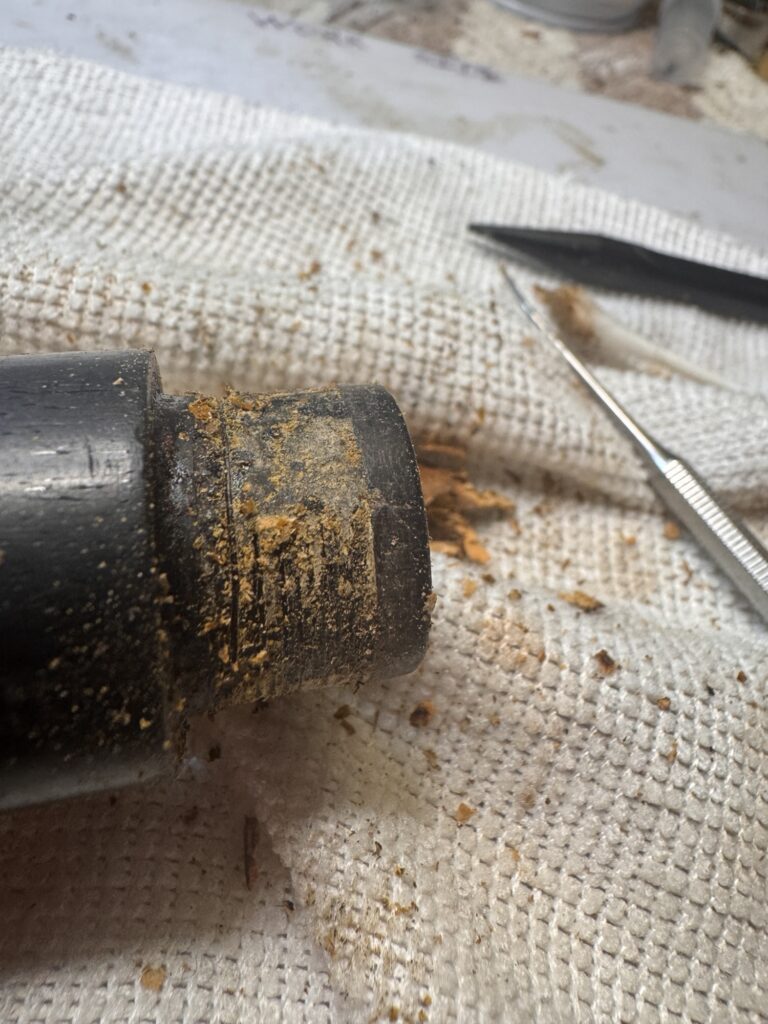
When a vintage instrument arrives on your bench well worn, it carries the marks of long service: keys wiggling from worn hinge tubes, pads hard and leaking, joints dry, maybe cracked or grimy tenon corks, and plating that has lost some of its shine. At first glance, it may look like a relic. But you see something else—you see potential.
As you recork, repad, regulate, and clean, you’re gradually peeling away the years of neglect and letting the original design speak again. The first time you reassemble it, check regulation, and blow that first scale, there’s a moment of quiet amazement: this 100‑year‑old clarinet is alive again. It speaks, it resonates, it responds. You hear the quality that was built into it in France so long ago, and you feel the satisfaction of having helped it return to the world of music instead of drifting permanently into the world of antiques.
Restoring, not reinventing
One of the most meaningful parts of this work is the intention behind it: you’re not trying to turn this G.M. Bundy into something it isn’t. You’re not forcing a vintage clarinet to behave like a brand‑new, modern‑bore, high‑end orchestral horn. Instead, you aim to restore it as faithfully as you can to its original playing character—its voice, its response, its feel.
That means respecting its design choices: its bore concept, its tuning tendencies, its tonal personality. You clean, seal, adjust, and optimize, but you allow it to remain what it is: a French‑made, early‑20th‑century clarinet with its own sound. In a way, that’s the deepest form of respect you can give both the instrument and the maker.
Why it never gets old
It is genuinely hard to believe, as you hold it in your hands, that this clarinet is about 100 years old. The fact that it still has the potential to play beautifully after a careful restoration says so much about the quality of its materials and workmanship. But it also says something about why this kind of work is so rewarding.
Every vintage restoration is a reminder that instruments are meant to be played, not just displayed. Breathing new life into an old G.M. Bundy is more than a technical job—it’s an act of preservation, gratitude, and connection. You get to stand at the intersection of past and present, honoring the people who built and played this clarinet before you, and making sure it can continue its story with someone new.
Discover more from Kowal and Son LLC
Subscribe to get the latest posts sent to your email.