
A clarinet that feels stuffy, leaks air, or fights you across the break usually is not asking for a new reed. More often, it is asking for a proper clarinet overhaul service. When pads harden, corks compress, keys lose regulation, and old residue builds up inside the body, even a good instrument can become frustrating to play.
For students, that frustration often shows up as missed notes, weak articulation, and tone that seems to change from day to day. For parents and directors, it can look like a player who is practicing but not progressing. For experienced musicians, it is even more obvious – response becomes uneven, intonation gets harder to manage, and the instrument stops feeling dependable.
What a clarinet overhaul service actually means
An overhaul is more than a quick adjustment. It is a comprehensive restoration of the instrument’s playing condition. The goal is to bring the clarinet back to stable, reliable mechanical function so it seals properly, responds cleanly, and feels consistent under the fingers.
That usually includes full disassembly, deep cleaning, pad replacement or repadding, recorking where needed, spring and keywork inspection, regulation, and careful reassembly. Depending on the instrument, the work may also involve tone hole correction, key polishing, and treatment of accumulated wear that affects sealing and alignment.
This is different from a basic tune-up. A tune-up addresses smaller issues on an instrument that is still fundamentally healthy. An overhaul is for a clarinet that has reached the point where piecemeal repairs stop making financial or musical sense.
Signs your clarinet may need an overhaul
Some clarinets announce the problem clearly. Others decline so gradually that players adapt without realizing how much performance they have lost.
One common sign is persistent leaking. If low notes are unreliable, throat tones feel unstable, or crossing between registers takes more effort than it should, the pads may no longer be sealing well. Worn tenon corks are another giveaway. If the joints are too loose or too tight, assembly becomes inconsistent and stress on the instrument increases.
Key noise, sluggish action, and uneven finger feel also matter. Bent keys, compressed felts, deteriorated corks, and tired springs can make the mechanism feel unpredictable. On wooden clarinets, neglected maintenance can also allow grime and moisture issues to build over time, which affects both appearance and function.
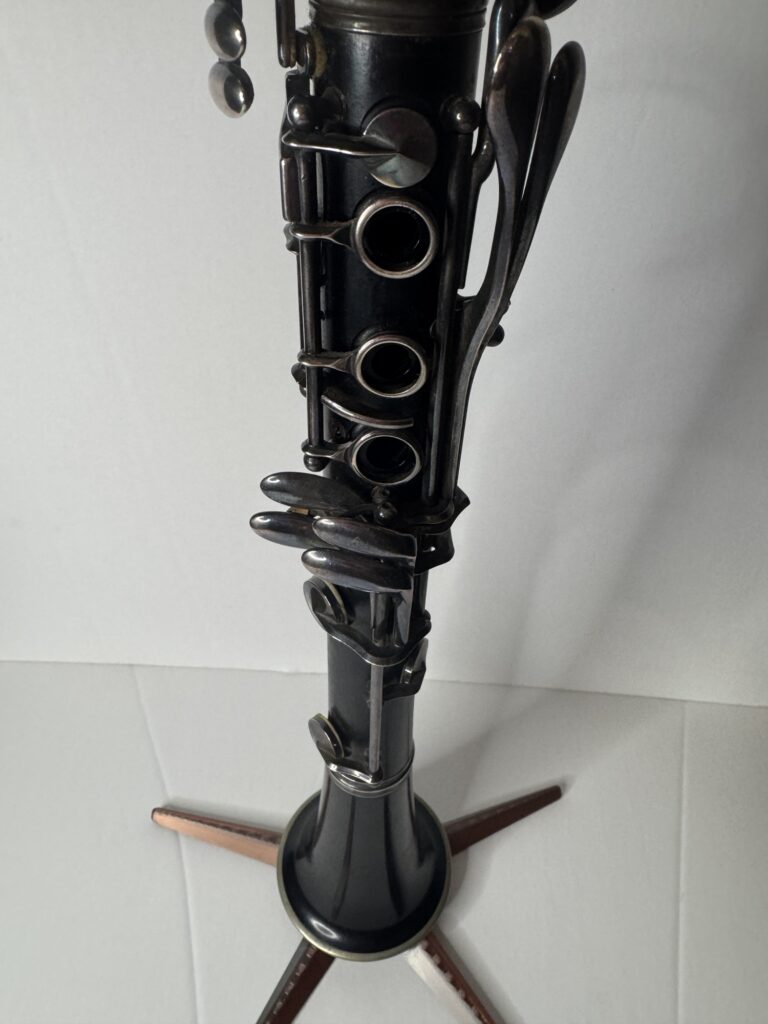
Age is part of the equation too. A school instrument that has been through several years of regular use, especially with limited maintenance between seasons, often benefits from overhaul work. Vintage clarinets are another category where a thorough reset is often the smartest path, especially if the instrument has sat unplayed for a long period.
Why overhauls matter for sound and response
Players often describe overhaul work in mechanical terms, but the real payoff is musical. A clarinet that seals correctly gives the player back control.
Articulation becomes cleaner because the instrument responds at the start of the note. Soft playing becomes easier because the air is not escaping through small leaks. Intonation tends to stabilize because fingerings speak more predictably. Even tone quality improves when the instrument is not forcing the player to compensate for mechanical flaws.
That does not mean every clarinet will feel brand new after an overhaul. It depends on the instrument’s build quality, age, condition, and history of wear. But a well-executed overhaul can dramatically improve a clarinet that still has strong structural life left in it.
What happens during a professional clarinet overhaul service
A careful shop starts with evaluation. Not every clarinet needs the same level of work, and not every instrument should be overhauled the same way. A student plastic clarinet and a vintage wooden model call for different judgment, even if the service category sounds similar.
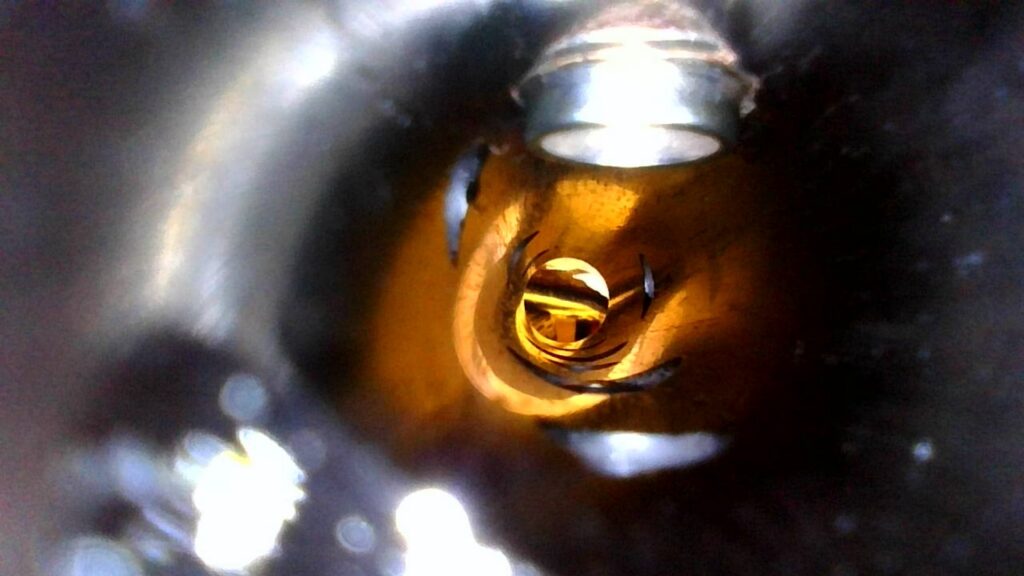
After inspection, the instrument is disassembled so the technician can address the full mechanism rather than only the obvious failures. Pads are checked for wear, hardness, and seating problems. Corks and felts are evaluated for compression and regulation. Keys are examined for alignment, fit, and motion. The body is cleaned, and areas such as tone holes and contact points are reviewed closely.
Reassembly is where experience matters most. Pads need to seat accurately. Key heights need to be balanced. Springs need enough strength for reliable action without making the mechanism feel stiff. Regulation has to hold across the entire clarinet, not just on the bench for five minutes.
That is why specialist work matters. Clarinet mechanisms are sensitive, and small errors can create a chain reaction of response problems elsewhere on the instrument.
Overhaul or spot repair?
This is one of the most practical questions a customer can ask. Sometimes a single-pad replacement, small recorking job, or regulation adjustment is exactly the right answer. If the instrument is generally sealing well and only has one isolated failure, a targeted repair is more sensible and more economical.
But if multiple pads are failing, corks are worn throughout, and the mechanism has drifted out of reliable regulation, repeated spot repairs can become expensive without solving the underlying problem. In those cases, an overhaul gives you a better result and a clearer maintenance baseline going forward.
For families and school programs, this is often the turning point. Instead of paying for one issue this month and another next month, a complete service restores the instrument as a whole. That can be especially valuable before marching-to-concert season transitions, all-state preparation, or juries and auditions.
Choosing the right shop for a clarinet overhaul service
The quality of the result depends heavily on who is doing the work. Clarinet repair is not interchangeable with general instrument repair, especially when wooden or vintage instruments are involved.
A good shop should be able to explain what is included, what the instrument needs, and what it does not need. Transparent pricing matters. So does a clear service scope. Customers should know whether the work includes repadding, recorking, cleaning, key fitting, polishing, or tone hole attention, rather than being left to guess what overhaul means.
Training and specialization are also worth paying attention to. A technician focused on clarinets understands common wear patterns, sealing challenges, and setup details that directly affect response. That kind of specialization usually shows up in the finished feel of the instrument.
A workmanship guarantee adds another layer of confidence. It tells you the shop stands behind the repair and expects the instrument to perform as promised after the service is complete.
What to expect after the work is done
A freshly overhauled clarinet may feel different right away. The action is often quieter, tighter, and more even. Notes that used to resist may speak more easily. Players sometimes notice that they need less force than before, which is a good sign, not a problem.
There can still be an adjustment period. If you have been compensating for leaks or bad regulation for months, a properly functioning instrument can feel unfamiliar at first. That is especially true for students who have built habits around mechanical problems they did not realize were there.
The best next step is simple: play it consistently and let the setup settle into normal use. If questions come up, a responsive repair shop should be willing to follow through.
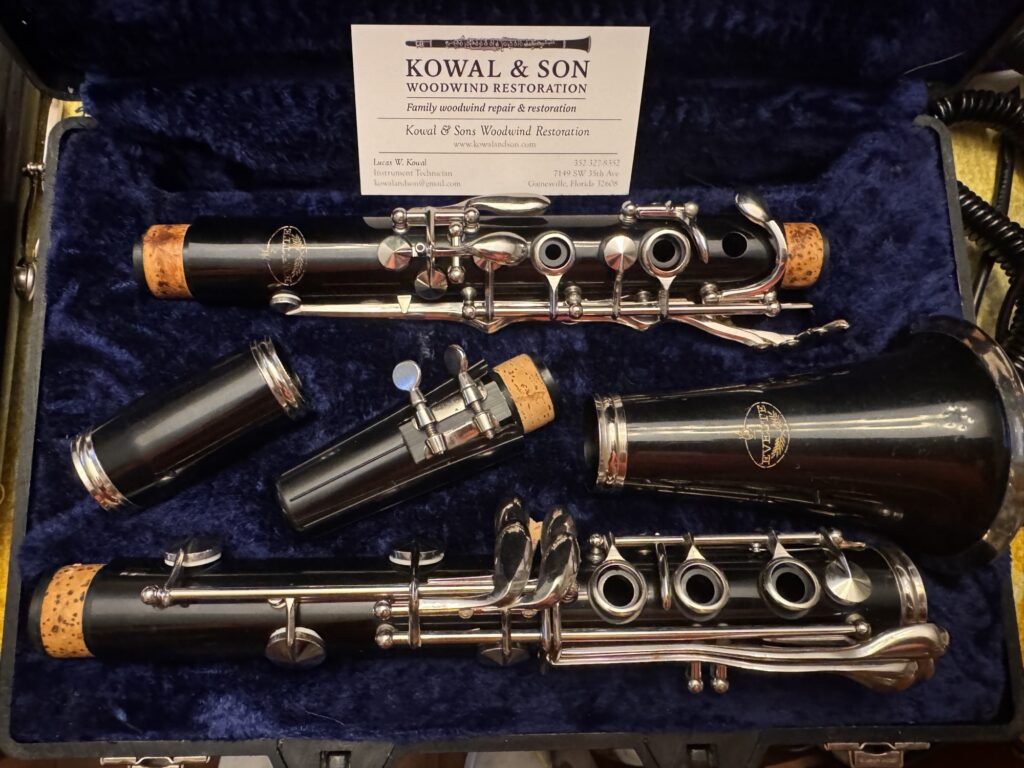
For players and families in North Central Florida, working with a specialist workshop such as Kowal & Son LLC means the instrument gets one-on-one attention from a shop built around clarinet care, not an assembly-line repair counter.
When an overhaul is worth it
An overhaul makes the most sense when the instrument has enough quality and structural integrity to justify the investment. Many intermediate, advanced, and vintage clarinets do. Some student models do as well, especially if replacement cost is high relative to repair and the instrument is otherwise solid.
The honest answer is that it depends. If the clarinet has major body damage, severe cracking, or very low underlying value, replacement may be the better path. But when the body is sound and the problems are concentrated in pads, corks, regulation, and accumulated wear, overhaul work can extend the life of the instrument substantially.
A well-maintained clarinet is easier to trust, and trust changes how a player performs. When the mechanism works the way it should, practice becomes more productive, rehearsals become less frustrating, and performances feel less like guesswork. If your clarinet has been asking for help for a while, the right repair is not just maintenance – it is a way of giving the instrument its voice back.
Discover more from Kowal and Son LLC
Subscribe to get the latest posts sent to your email.