
A clarinet can look fine in the case and still fight you on every note. If low notes feel unreliable, articulation gets fuzzy, or the instrument suddenly needs extra pressure to speak, the issue is often not your reed or embouchure. A proper clarinet repadding service addresses one of the most common causes of poor response – worn, leaking, hardened, or uneven pads.
For students, that matters fast. A leaking pad can make practice frustrating, and it often shows up right before chair tests, concert season, all-state auditions, or marching band performances. For parents and directors, it can be hard to tell whether a player needs more practice or the instrument needs professional work. For experienced players, the difference is even clearer. A clarinet with unstable pad seal never quite settles into consistent tone, intonation, or control.
What a clarinet repadding service actually does
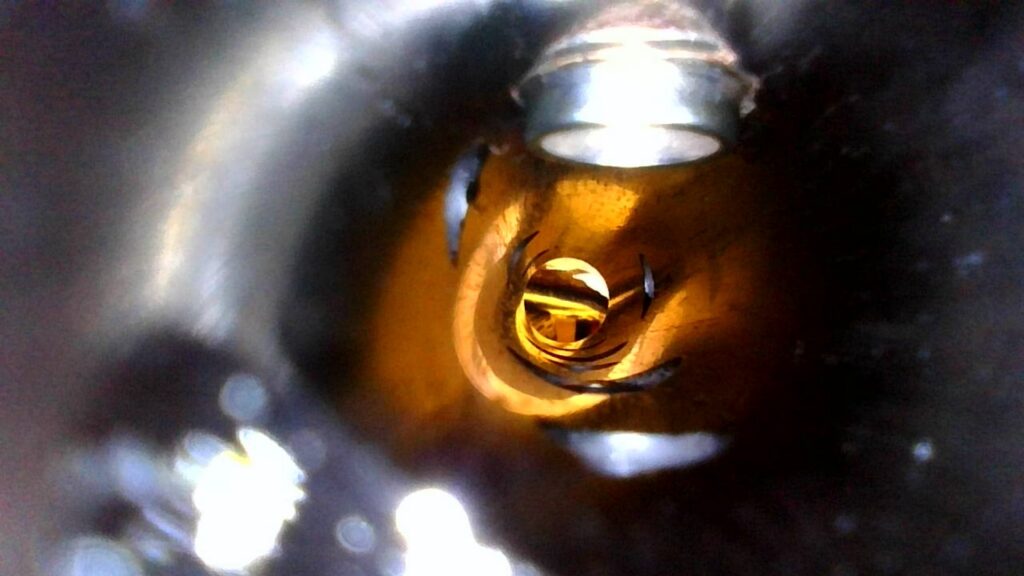
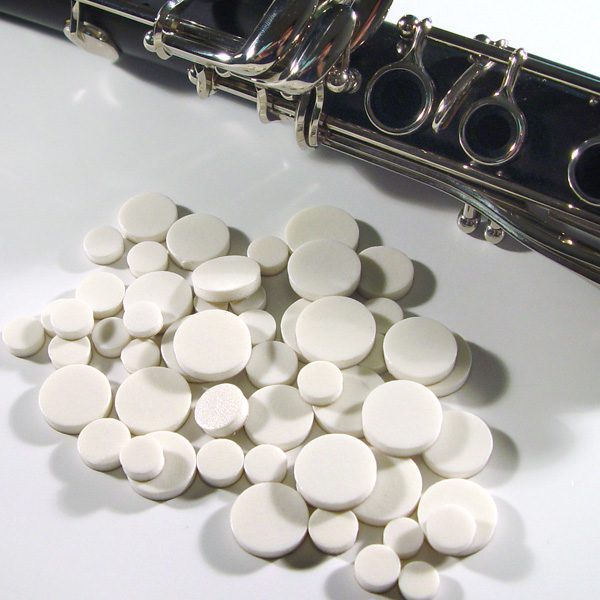
Repadding is not just swapping out soft pieces under the keys. Each pad has to seat correctly against the tone hole, close evenly, and work with the regulation of the rest of the mechanism. If one pad is installed poorly, the clarinet may still leak even though the pad is technically new.
That is why careful repadding begins with assessment. Some clarinets need a full set of pads because age, compression, or moisture damage has affected the whole instrument. Others only need selective pad work. It depends on the clarinet’s condition, the quality of previous repairs, how heavily it is used, and whether the instrument is plastic, composite, or wood.
A good repadding service usually includes more than pads alone. Keys often need to be removed and cleaned. Lost motion may need correction. Corks and felts may need replacement so key heights and timing stay accurate. If the instrument has dirt buildup, bent keys, rough tone holes, or unstable adjustment screws, pad work without those related corrections can leave the job half finished.
Signs your clarinet needs repadding service
The clearest sign is leakage, but players rarely describe it that way. They usually say the clarinet feels stuffy, resistant, airy, or unpredictable. Notes in the throat tones may feel uneven. Low E, F, or C can cut out. Slurs may feel bumpy, and soft entrances become harder than they should be.
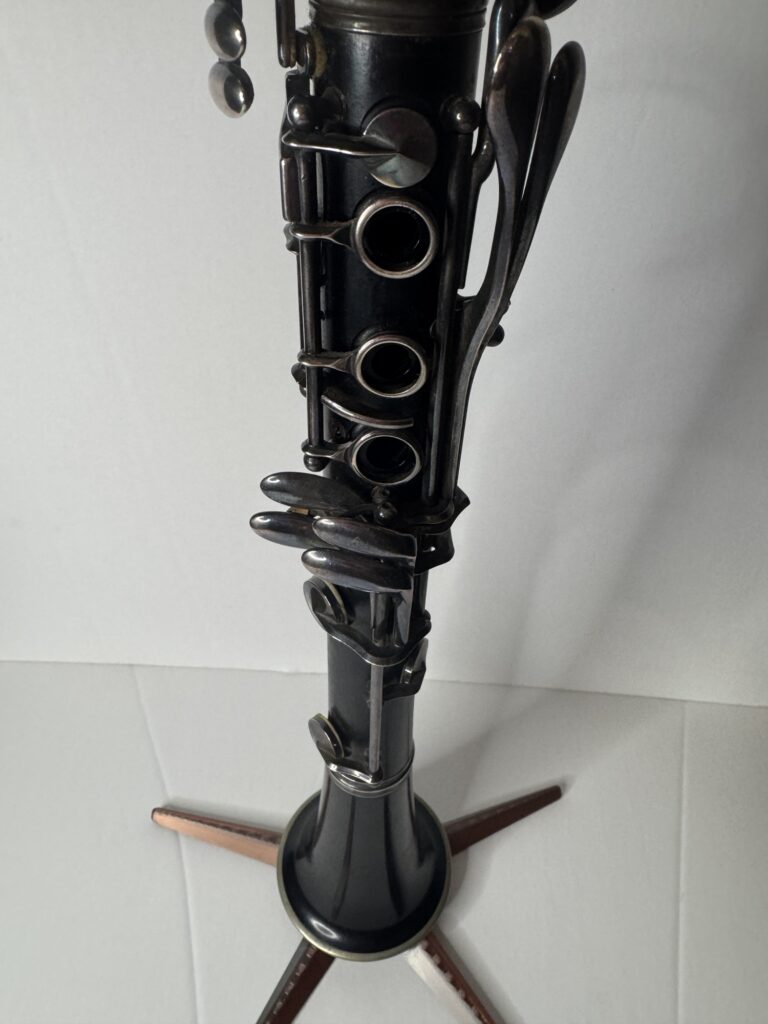
Pads also reveal problems visually. If you open the case and see pads that are discolored, deeply grooved, frayed, swollen, or stiff, those are warning signs. A pad that has hardened with age may no longer seal even if it still looks mostly intact. On student instruments, marching season can speed up wear because of moisture, dust, heat, and frequent handling.
There is also the timing issue. If a clarinet has not had meaningful pad work in years and is being played regularly at school, in lessons, and at rehearsals, it may be overdue even before obvious failure appears. Waiting until a pad falls apart often means the instrument has been underperforming for a long time.
Full repad or single-pad replacement?
This is where honesty matters. Not every clarinet needs a complete repad. If one damaged pad is the real problem and the rest of the instrument is in solid condition, a single-pad replacement can be the right answer. That is often the most practical option for a school instrument that took a small hit or developed one isolated leak.
But there are times when spot repairs stop making financial sense. If several pads are leaking, the existing set is old, and the adjustment materials are worn down, replacing one or two pads may only buy a little time. In that case, a more complete clarinet repadding service can be the better value because it restores consistency across the instrument instead of chasing one leak after another.
For families and directors, the question is usually not just price. It is whether the repair will hold through the semester, contest season, or summer band schedule. A cheaper short-term fix can cost more in frustration if the clarinet is back on the bench two weeks later.
Why pad work changes tone and response
Pads do not create your sound by themselves, but they control whether the clarinet can respond the way it was designed to. If the seal is compromised, the air column does not behave correctly. That affects more than note production. It changes resistance, stability, articulation, dynamic control, and how confidently a player can move between registers.
Students often compensate without realizing it. They bite more, blow harder, or make constant reed changes trying to fix what is really a mechanical issue. Teachers see this all the time. The player works harder, but the instrument keeps setting limits.
Well-seated pads give the clarinet a more centered feel. Notes speak with less effort. Fingers can relax because the instrument no longer needs extra pressure to force a seal. For advancing players, that can make technical passages cleaner. For younger students, it can simply make the clarinet feel playable again.
What to expect from professional clarinet repadding service
The difference between basic repair work and specialist clarinet work shows up in the details. Clarinet mechanisms are sensitive, and proper pad installation depends on accurate key fitting, stable materials, and patient testing. A technician who works specifically on clarinets will usually notice issues that general repair work can miss, especially around regulation, bridge alignment, tone hole condition, and the way one adjustment affects another.
That matters even more on wooden or vintage clarinets. Wood movement, past repair history, and tone hole condition can all influence pad seating. A repad on an older clarinet is rarely just a cosmetic refresh. It is often part of restoring the instrument’s actual playing integrity.
A dependable shop should also be straightforward about scope. Some instruments come in asking for pads but really need deeper mechanical correction. Others do not need a full rebuild at all. Clear recommendations, transparent pricing, and workmanship you can trust are more valuable than hearing what sounds cheapest in the moment.
For local players in Gainesville and surrounding North Central Florida communities, that kind of clarity matters when school schedules are tight. If a student has an upcoming performance, parents and directors need realistic expectations about turnaround and whether a loaner instrument makes sense while work is underway.
Clarinet repadding service for student players
Student clarinets take more abuse than most people realize. They travel on buses, sit in hot cars, get assembled in a hurry, and absorb a lot of moisture during daily band use. Marching band adds even more wear. Pads on these instruments often fail from heavy use and environment as much as age.
That does not mean every student clarinet needs deluxe restoration. It means repair decisions should match the instrument’s role. A beginner rental or entry-level school horn may need practical, durable service that restores reliable playability. A serious high school player preparing for solo and ensemble or college auditions may need more complete work because small leaks become much more noticeable at that level.
For many families, a loaner can help reduce pressure during repair. It gives the student something dependable to practice on rather than losing days or weeks at a bad time. It can also help a player compare their current clarinet against a properly functioning instrument, which is often eye-opening.
Timing matters more than most players think
The best time to schedule pad work is before the instrument becomes a crisis. If the clarinet is heading into marching season, concert assessments, honor band auditions, or a new school year, having it checked early gives you options. Emergency repair is sometimes unavoidable, but planned service usually means better repair choices and less stress.
There is also a seasonal reality in school music. Many repair requests pile up at the same times of year, right when performances matter most. Getting ahead of that rush can keep a minor pad problem from turning into a larger service need.
Kowal & Son LLC works with that practical reality every day. Families, students, and directors are not looking for mystery or sales pressure. They want careful clarinet work, honest recommendations, and confidence that the instrument will come back playing the way it should.
If your clarinet has become harder to play, less reliable, or just not as responsive as it used to be, do not assume it is the reed or the player. Sometimes the fix is as simple as giving the instrument the pad work it has been asking for all along.
Discover more from Kowal and Son LLC
Subscribe to get the latest posts sent to your email.