
A clarinet can look fine from the outside and still feel stuffy, sluggish, or oddly uneven under the fingers. That is usually when a clarinet deep cleaning service starts to make sense. If your instrument has been through marching season, daily school band use, pep band, lessons, and a few rushed swab jobs, dirt and moisture buildup are rarely just cosmetic.
For student players, that buildup often shows up as sticky keys, a musty case smell, slow action, and notes that do not speak as easily as they should. For directors, it can mean a section full of instruments that technically play, but not well enough to support confident tone and clean articulation. A proper deep cleaning does not replace overhaul work when an instrument truly needs major service, but it can restore a surprising amount of playability when grime, residue, and neglected maintenance are the main problem.
What a clarinet deep cleaning service actually does
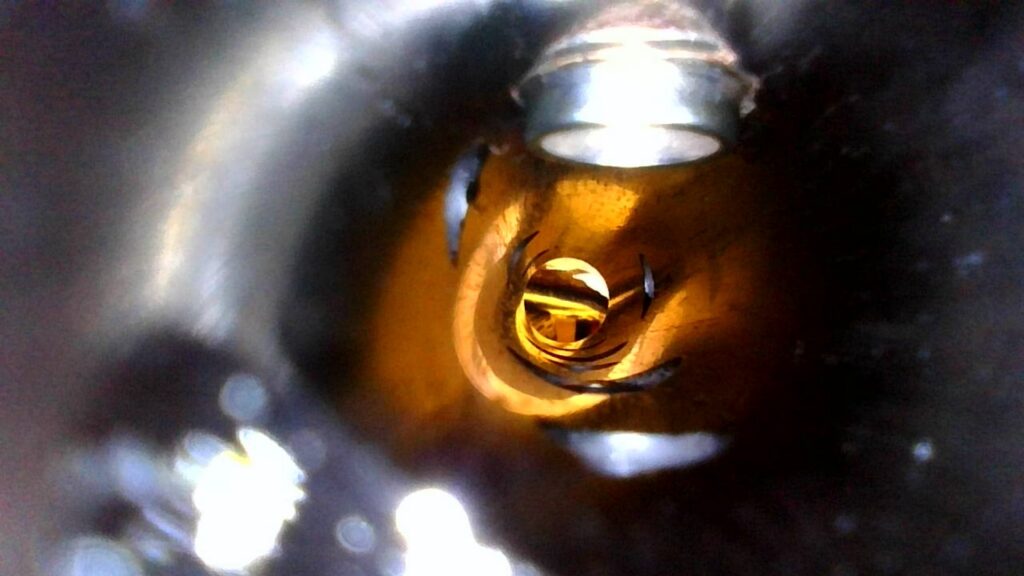
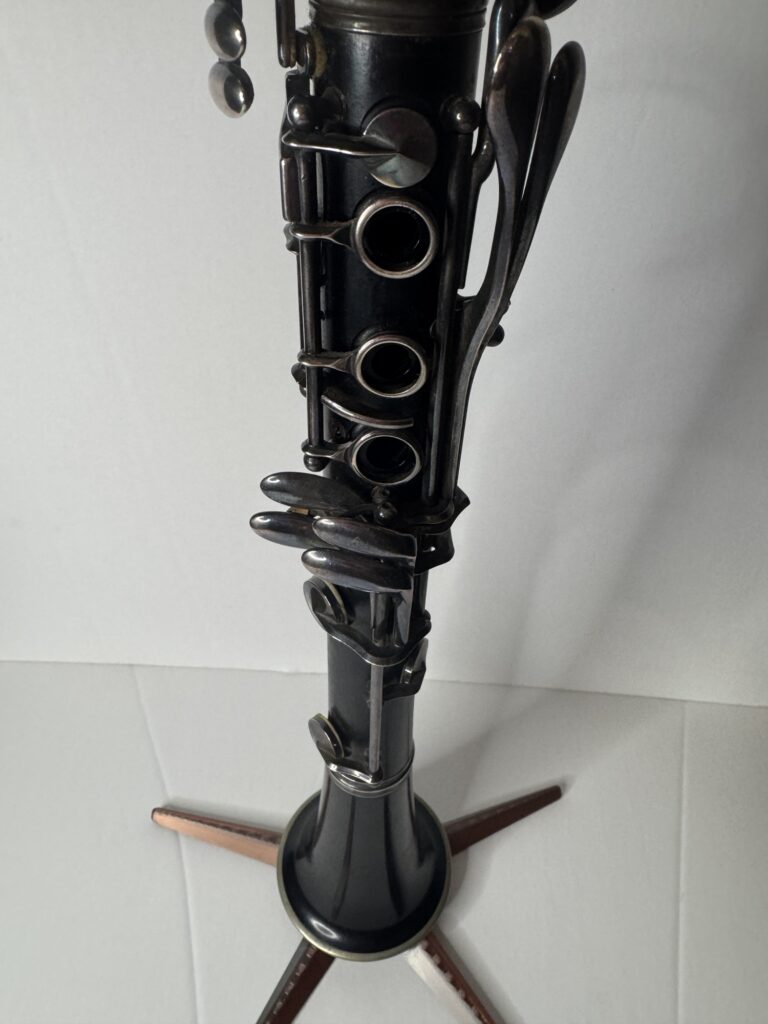
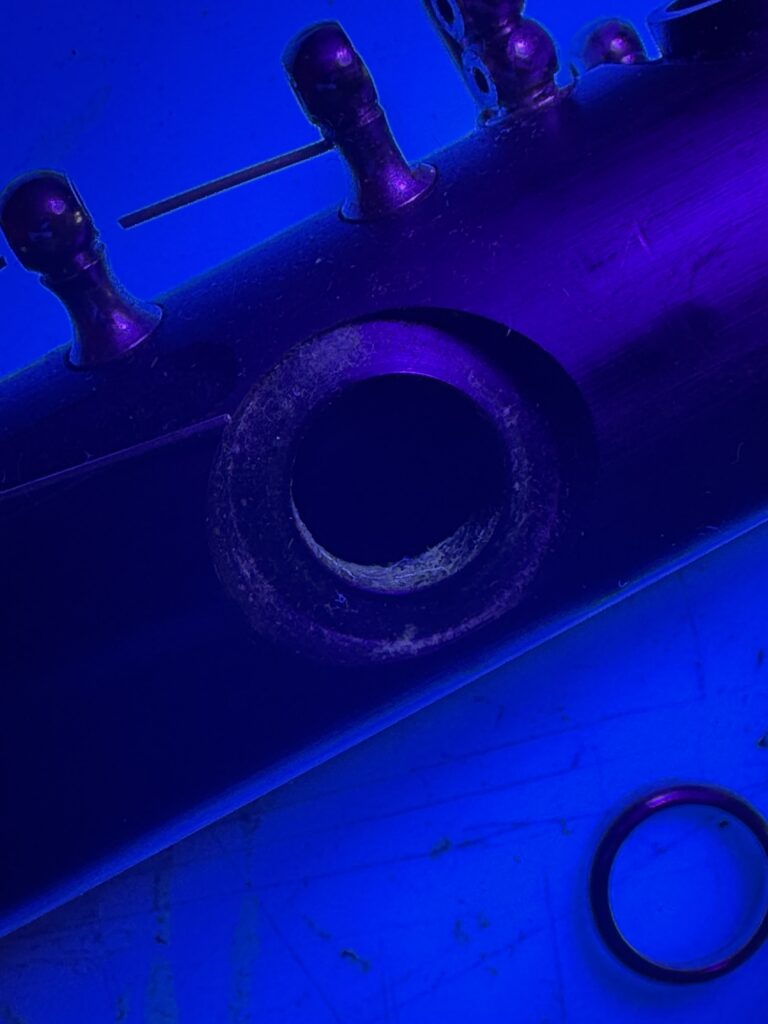
A deep cleaning is more than wiping down the outside and running a swab through the bore. On a clarinet that has seen regular use, residue collects in places most players never see. Moisture, cork grease, skin oils, dust, old polish, and case lint all gather around keywork, posts, tone holes, and body joints.
A professional clarinet deep cleaning service focuses on removing that buildup carefully, without creating new problems. That usually includes cleaning the body, addressing grime around keys and hinge tubes, reducing residue that can affect movement, and improving the general condition of the instrument so it feels cleaner, smoother, and more reliable in the hands.
On many school-owned or heavily used student clarinets, deep cleaning also reveals what is really going on mechanically. Sometimes the instrument only needed careful cleaning and minor adjustment. Sometimes the cleaning exposes worn pads, loose corks, bent keywork, or tone hole issues that had been hidden under dirt and residue. That is why specialist evaluation matters. You want to know whether cleaning is the right service, or whether the instrument has moved into repair territory.
Signs your clarinet needs more than a quick wipe-down
Most players wait longer than they should. That is understandable. A clarinet can decline gradually, and students often adjust to the instrument instead of recognizing the warning signs.
If keys feel sticky even after changing reeds and swabbing more consistently, cleaning may be overdue. If the instrument has an odor coming from the case or body, that is another clear sign. White or greenish residue around posts, dark grime at touchpoints, and rough-feeling tenons are easy clues too.
Some signs are less obvious. Maybe the clarinet feels harder to blow than it did last semester. Maybe low notes hesitate. Maybe the bridge key alignment seems touchy every time the instrument is assembled. In marching band, dust, heat, and constant transport can speed up the wear-and-grime cycle. In concert settings, a wooden clarinet may look protected but still collect moisture-related buildup over time.
For parents, one practical rule helps. If a student uses the instrument several days a week and it has not been professionally serviced in a year or more, it is worth having it evaluated. That is especially true before all-state auditions, concert assessment, solo and ensemble season, or the start of band camp.
Why specialist clarinet service matters
Not every woodwind shop approaches clarinets with the same level of attention. Clarinet mechanism, pad seating, tenon fit, and tone hole condition all affect response in ways that are easy to miss if the work is rushed.
A specialist workshop looks at the instrument as a complete system. Cleaning should support playability, not just appearance. If keys are polished but regulation is left uneven, the clarinet may still feel unreliable. If grime is removed carelessly around older pads or aged corks, a simple cleaning can turn into avoidable extra work.
That is one reason families and directors often prefer a dedicated clarinet technician for recurring maintenance. The goal is not just to make the instrument cleaner. The goal is to protect tone, key action, seal, and long-term condition.
For vintage clarinets and better wooden instruments, that matters even more. Older grenadilla instruments, especially those with previous repair history, need a measured approach. Deep cleaning can be very beneficial, but only when it is done with respect for the age and structure of the instrument.
Clarinet deep cleaning service versus overhaul
This is where many players need honest guidance. A clarinet deep cleaning service is not the same as a full overhaul, and it should not be sold as one.
If the instrument mainly suffers from residue, neglect, surface corrosion, stiff key movement, and general grime, deep cleaning may be the right step. It can freshen the mechanism, improve feel, and help the clarinet play closer to its true condition.
If pads are leaking across the instrument, corks are failing, springs are weak, keywork is bent, or the tone holes need restoration, deep cleaning alone will not solve the real issue. In those cases, cleaning may still be part of the process, but repair or overhaul is what restores dependable performance.
That distinction is especially important for school instruments and marching clarinets. A student may say, “It just needs cleaning,” when the horn actually needs repadding or regulation. On the other hand, some instruments get written off too quickly when a careful cleaning and targeted maintenance would return them to solid playing condition at a lower cost.
The right answer depends on the instrument, its age, how heavily it has been used, and what the player needs from it right now.
When students and band families should schedule service
The best time is before the instrument becomes urgent. Waiting until a chair test, concert, or festival week adds stress and limits options.
For middle school and high school players, the most useful windows are often before school starts, after marching season, before district or state auditions, and at the end of the academic year. Those points in the calendar line up with the times clarinets usually show the most wear.
Marching band players need especially realistic maintenance habits. Even a durable plastic clarinet takes a beating from outdoor rehearsal, fast assembly, case bumps, and weather swings. A deep cleaning can help reset the instrument after that kind of use, but it may also reveal pads and corks that need follow-up attention.
College players and serious high school clarinetists should be even more proactive, particularly if they are performing on wood instruments or preparing advanced solo literature. A clarinet that feels just a little resistant can change articulation, intonation confidence, and endurance over a long rehearsal.
What to expect from a quality shop
Good service starts with clear evaluation and plain language. You should be told what the instrument needs, what it does not need, and where deep cleaning fits into the bigger picture. Honest shops do not blur the line between maintenance and major repair.
You should also expect careful handling, transparent pricing, and recommendations based on the actual condition of the clarinet. For school families, that means no mystery charges and no technical jargon used to create pressure. For directors, it means consistent workmanship that helps keep a section playable.
At a specialist shop like Kowal & Son LLC, that workshop approach matters because clarinets are not treated as one item in a long list of unrelated instruments. The service is built around clarinet-specific maintenance, repair judgment, and one-on-one attention. That is the kind of approach that gives players and parents confidence, especially when the instrument has real musical and financial value.
Loaner availability can matter too. If an instrument needs more than cleaning once it is inspected, having a temporary clarinet available can keep a student in class and rehearsals without interruption.
A cleaner clarinet usually plays better – but that is not the only reason to do it
Yes, a well-cleaned clarinet often responds better, feels smoother, and smells better. But the bigger value is prevention. Regular professional maintenance helps catch small issues before they turn into expensive ones.
That might mean spotting a pad that is starting to fail, a tenon cork that is wearing down, or keywork that is beginning to drift out of adjustment. Those are manageable problems when found early. Left alone, they tend to pile up.
If your clarinet has been working harder than it should, or if your student has been fighting the instrument more than the music, a professional look is rarely wasted. Sometimes the fix is straightforward. Sometimes the instrument needs more. Either way, a clean, honestly evaluated clarinet gives the player a fair chance to sound like themselves.
Discover more from Kowal and Son LLC
Subscribe to get the latest posts sent to your email.