
A clarinet that suddenly feels hard to assemble, too loose at the joints, or uneven under the fingers is often telling you something simple – the corks are no longer doing their job. A professional clarinet recorking service can fix those problems before they turn into air leaks, chipped tenons, or extra wear on the instrument. For student players, busy band families, and directors managing a section of hard-working instruments, recorking is one of the most practical repairs you can make.
What a clarinet recorking service actually fixes
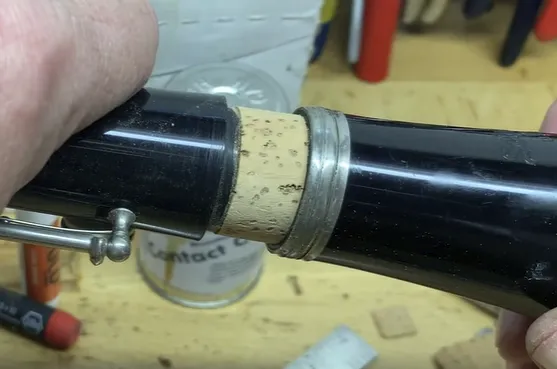
Clarinet corks do more than make the instrument easier to put together. Tenon corks create the correct fit between joints, helping the instrument seal properly while protecting the wood or body material from friction and stress. Key corks and bumper corks help regulate motion, reduce noise, and support accurate key height.
When those corks compress, dry out, split, or wear down, the clarinet can start feeling unreliable in ways that are easy to miss at first. A student may think the instrument is just getting harder to play. A parent may notice the pieces twist too easily or not at all. A teacher may hear response issues, fuzzy articulation, or notes that do not speak as cleanly as they should. The problem is not always the reed, and it is not always the player.
This is why recorking matters. Good cork work restores proper fit and regulation, which supports better response and a more stable playing experience.
The common signs your clarinet needs recorking service
Some signs are obvious. If the upper and lower joints slide together with almost no resistance, that is a problem. If they are so tight that assembling the instrument feels risky, that is also a problem. Cork should provide a snug, controlled fit – not a fight and not a wobble.
Other signs show up during playing. A clarinet with worn tenon corks may leak air between joints. That can affect tone, tuning stability, and response across the break. On keywork, missing or compressed bumper corks can create extra clicking noise, inconsistent key motion, or changes in regulation that make the instrument feel uneven.
For marching band students and younger players, wear can happen faster than expected. Instruments get assembled quickly, packed in a rush, exposed to heat, and handled by players who are still learning good maintenance habits. That does not mean anything is wrong with the student. It means the instrument needs regular attention.
Signs families and directors should not ignore
If cork is flaking off into the case, if a joint has to be forced, or if keys are making more noise than usual, it is time to have the instrument checked. Homemade fixes, especially tape, glue, or grease used as a substitute for proper fitting, usually create more work later.
A clarinet can sometimes keep playing with bad corks, but that does not mean it is healthy. Continued use with poor fit can stress tenons, loosen mechanical relationships, and lead to repairs that cost more than recorking would have.
Why professional clarinet recorking service is worth it
Recorking looks simple from the outside, but good results depend on material choice, surface preparation, precise fitting, and clean finishing. The cork has to be the right thickness, shaped correctly, and fitted so the joint seals well without being too tight. Key corks must be installed with attention to regulation, because even small changes can affect feel and function.
That is where specialist work matters. A clarinet-focused shop understands how cork thickness affects fit, how key bumpers influence regulation, and when recorking should be paired with other maintenance. In some cases, a cork problem is really a symptom of deeper wear, body fit issues, or pad leaks that should be addressed at the same time.
There is also a difference between making a clarinet usable and making it play correctly. A quick patch may get a student through one rehearsal. Careful recorking supports consistent performance over time.
What happens during a clarinet recorking service
A proper service starts with inspection. The technician checks the condition of the cork, the fit of the joints, and the surrounding areas for wear or damage. On key corks, the technician also looks at regulation and how the mechanism is interacting.
Old cork is removed cleanly, and the surface beneath it is prepared so the new material bonds properly. New cork is then cut, fitted, and finished to match the instrument’s needs. This is not just a matter of attaching material and adding grease. The final thickness and smoothness affect assembly, seal, and long-term durability.
After installation, the clarinet should be tested. Joints should assemble with controlled resistance. Keys should move quietly and consistently. If the instrument has other issues, such as pad leaks or bent keywork, those should be identified honestly so the player or family can decide what to address now and what can wait.
It depends on which corks need replacement
Not every clarinet needs full recorking at once. Sometimes only a tenon cork is failing. Sometimes the issue is mostly on the keywork. Sometimes an instrument that has seen years of school use needs broader maintenance because the cork wear is part of a larger pattern.
That is why clear evaluation matters. The right repair is the one that solves the actual problem without overselling work the instrument does not need.
Student instruments, marching use, and school-year timing
For school players, timing matters almost as much as the repair itself. A cork that starts slipping in July may become a real problem by band camp. A too-tight joint in October can become a stressful daily routine during concert season. If the instrument is being used for solo and ensemble, all-state auditions, or assessments, reliable assembly and response are not small details.
Marching band clarinets often need closer attention because heat, movement, and daily wear take a toll. Concert clarinets and wooden instruments have their own concerns, especially if players are over-greasing dry corks or forcing joints during weather changes. In both cases, regular maintenance is cheaper and safer than waiting until something cracks, shifts, or stops sealing.
For families, it helps to think of recorking the same way you would think about replacing worn brake pads on a car. The goal is not to wait for failure. The goal is to maintain safe, dependable function before a simple wear item causes a bigger problem.
How long recorking lasts and what affects it
A well-done recorking job can last a good while, but lifespan depends on use, storage, assembly habits, and instrument condition. A careful player who uses cork grease correctly and stores the instrument properly will usually get more life from the cork than a player who twists joints dry or forces assembly.
Climate and frequency of use matter too. Florida players often deal with heat, humidity changes, and heavy school-year use. Those conditions can speed up wear, especially on student instruments that are played often and handled quickly.
The best approach is to have cork checked during routine maintenance rather than waiting for obvious failure. Small wear is easier to manage than severe breakdown.
Choosing the right clarinet recorking service
When you choose a clarinet recorking service, look for specialization, clear communication, and practical honesty. Clarinet work is detail work. The technician should understand how cork interacts with fit, regulation, and playability, not just how to glue on a replacement.
It also helps to work with a shop that treats student instruments and advanced instruments with the same care. A middle school player deserves an instrument that assembles properly and responds cleanly. A serious high school, college, or community player needs the same careful standards, with even closer attention to feel and tonal consistency.
If a shop offers transparent service categories, explains what is needed in plain language, and stands behind workmanship, that usually tells you a lot. At Kowal & Son LLC, that approach is central to how clarinet repair should be done – careful work, honest assessment, and respect for the instrument.
A small repair that changes how the whole instrument feels
Players often notice the difference immediately after good recorking. The clarinet goes together as it should. The keywork feels quieter and more settled. Response is more predictable. That change can be especially meaningful for a younger student, because it removes mechanical frustration and lets them focus on playing.
If your clarinet has started feeling tight, loose, noisy, or inconsistent, do not assume that is just normal wear. Sometimes the fix is straightforward, and catching it early is one of the best ways to protect the instrument and the player’s progress.
Discover more from Kowal and Son LLC
Subscribe to get the latest posts sent to your email.